Top Anodized Aluminum Suppliers for Global Buyers?
Choosing among the top Anodized Aluminum suppliers requires more than comparing online prices. Global buyers need dependable quality, clear documentation, and practical export experience. This guide introduces suppliers that serve construction, electronics, automotive, furniture, and industrial markets. It focuses on how they control alloy selection, surface preparation, anodizing consistency, and final inspection.
Real purchasing decisions often begin with a small sample. A 6063 aluminum profile may look uniform under warehouse lighting, yet show shade differences beside another batch. Buyers should request coating thickness records, sealing test results, mill certificates, and inspection photos. Packaging deserves equal attention. Scratched edges, wet cartons, and weak separators can damage a shipment before production begins. Details matter.
This overview also considers minimum order quantities, customization ability, production capacity, lead times, and communication across time zones. Reliable suppliers should explain whether they support clear, black, bronze, matte, or hard anodized finishes. They should also identify applicable ISO, ASTM, or regional quality requirements. No supplier is perfect. A factory may offer excellent finishing but limited packaging options. Another may provide fast delivery while handling complex profiles poorly. Buyers must compare the complete supply chain, not only the quoted kilogram price. Test before scaling. By combining factory evidence, technical questions, reference checks, and realistic trial orders, purchasing teams can select Anodized Aluminum partners with greater confidence. Mistakes still happen, but transparent suppliers respond with corrective actions and measurable improvements. That difference often separates a dependable long-term partner from an attractive catalog listing.
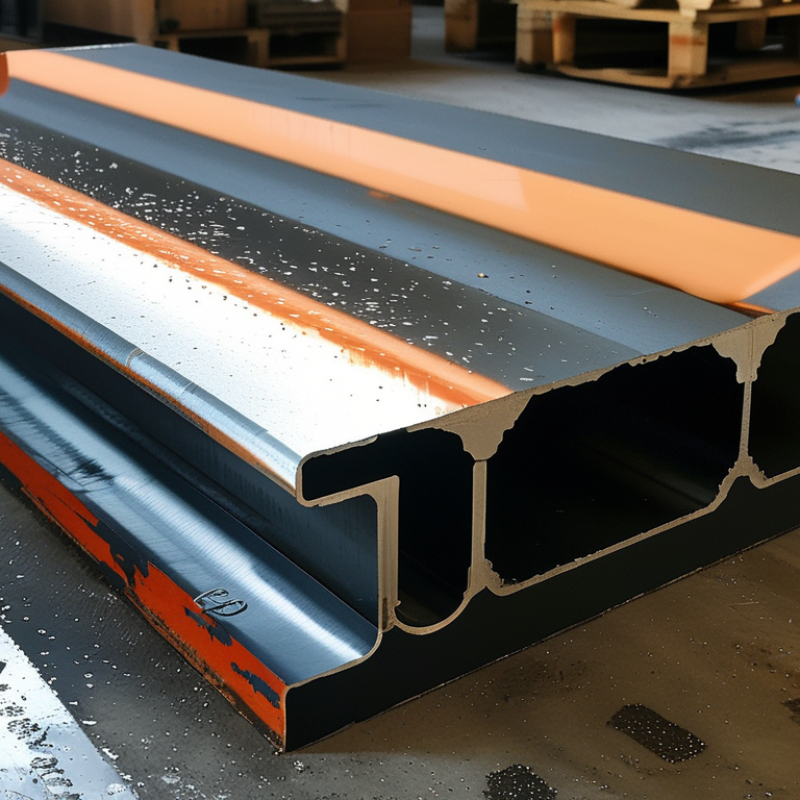
Anodized Aluminum Basics: 5–25 μm Coatings, Alloys, and ISO 7599
Anodized aluminum combines a light metal core with a controlled oxide coating. Under ISO 7599, common decorative and protective anodizing thicknesses range from about 5 to 25 μm. Thickness matters. A 5 μm layer may suit indoor trim, while 20–25 μm offers stronger resistance in demanding outdoor environments.
Alloy selection affects both appearance and performance. 6063 aluminum usually produces a smooth, consistent finish for architectural profiles. 6061 offers higher mechanical strength, but its alloying elements can create darker or less uniform tones after anodizing. 5005 is also used where surface appearance matters. Not every alloy anodizes equally. This detail is often underestimated.
Global buyers should request the alloy designation, coating thickness, color tolerance, sealing method, and inspection records. A supplier should provide measurable results, not only polished samples. Ask how thickness is verified, such as by eddy-current testing, and whether the surface was inspected after sealing. Small scratches near drilled holes can reveal weak handling controls. Packaging also matters; trapped moisture between profiles may leave stains during transport.
ISO 7599 supports clear process communication, but it does not remove every production risk. Anodizing can vary with bath chemistry, pretreatment, section size, and alloy batch. A specification that says “silver anodized” is incomplete. Buyers should define the visible face, acceptable shade variation, coating range, and sample approval process before placing volume orders. Mistakes still happen, especially when drawings omit exposed surfaces.
Anodized Aluminum Basics: ISO 7599 Coating Classes
ISO 7599 defines commonly used nominal anodic coating classes from 5 to 25 μm for decorative and protective anodized aluminum applications. Higher coating classes generally provide greater barrier thickness, while final performance also depends on alloy, sealing, color, and service conditions.
Common alloy families used for anodizing include 1xxx, 5xxx, 6xxx, and 7xxx aluminum. 6xxx alloys are widely selected for architectural and general fabrication applications because they combine good anodizing response with useful strength and formability. Coating thickness should be specified according to the intended environment and appearance requirements.
Global Supplier Landscape: Comparing Capacity, Lead Times, and 6063 Output
Global buyers comparing anodized aluminum suppliers should examine production depth, not polished sales claims. A supplier with dedicated extrusion presses can maintain steadier 6063 output during seasonal demand. Ask for monthly capacity, billet sources, die availability, and recent shipment records. These details reveal operating strength more clearly than an impressive factory tour.
Lead times often change after technical review. Standard 6063 profiles may ship within three to five weeks, while custom dies, tight tolerances, or special anodizing can add several weeks. Request separate timelines for die fabrication, extrusion, surface treatment, inspection, and ocean transport. A reliable supplier should explain each stage and identify its practical buffer. Quoted dates can still move. That is worth admitting.
Capacity is not only a number of tons. It also includes anodizing bath size, color consistency, packaging space, and quality-control staff. For architectural orders, inspect sample records for coating thickness, gloss variation, dimensional accuracy, and surface marks. I have found that small trial batches expose weaknesses faster than large presentations. Yet trials are not perfect; they may hide pressure from peak-season volumes. Buyers should compare normal output with peak-month performance, then confirm 6063 alloy certificates and batch traceability before signing a long-term supply agreement.
Buyer Due Diligence: MOQ, Incoterms, COAs, and Salt-Spray Testing
Global buyers should test suppliers beyond catalogue photos and polished quotations. Request the minimum order quantity by finish, alloy, profile length, and color. A low MOQ is not automatically economical. Setup charges can quietly dominate small orders.
Use ICC Incoterms 2020 in every purchase contract. State who pays freight, insurance, export clearance, and import duties. Ask for a batch-specific certificate of analysis, or COA. It should show alloy chemistry, temper, coating thickness, color reference, and lot traceability. The International Aluminium Institute reports that recycled aluminum uses about 5% of the energy required for primary production. Therefore, ask whether recycled content is declared and verified, not merely advertised.
Salt-spray evidence needs careful reading.
ASTM B117 and ISO 9227 describe exposure methods; they do not guarantee outdoor service life. Require the exact test duration, specimen preparation, coating thickness, defect criteria, and failure photographs. A “1,000-hour pass” can hide poor edge protection or an unsuitable alloy. I once treated a clean test report as conclusive. That was too optimistic. Review sealing quality, pretreatment, and color stability as separate risks. Independent laboratory records are stronger than supplier summaries, especially when the production lot changes.