What is Polyolefin Shrink Film and Its Benefits for Businesses
Polyolefin Shrink Film has become a crucial material in packaging and protecting products across various industries. According to John Smith, a leading expert in packaging solutions, "Polyolefin Shrink Film offers unparalleled durability and versatility." This film not only provides a tight, secure fit around products, but it also enhances their presentation on shelves, drawing consumer attention.
Many businesses appreciate the cost-effectiveness of Polyolefin Shrink Film. It reduces waste and minimizes the need for excess packaging materials. Companies in food, pharmaceuticals, and electronics benefit greatly from its strong barrier properties, ensuring product freshness and safety. However, it's essential to consider environmental impacts. While Polyolefin Shrink Film is often recyclable, improper disposal can lead to challenges.
Understanding the balance between benefits and environmental concerns is key for today's businesses. As they move towards sustainable practices, the role of Polyolefin Shrink Film remains significant, yet it requires an ongoing commitment to responsible production and disposal methods.
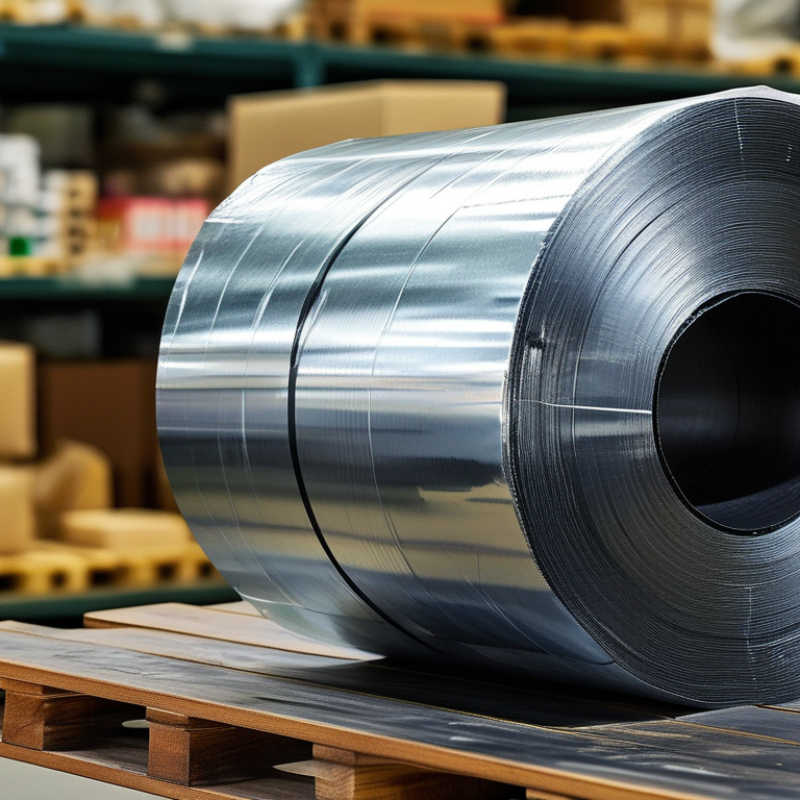
What is Polyolefin Shrink Film?
Polyolefin shrink film is a versatile packaging material widely used in various sectors. This film is made from polyolefin resins, which allow it to contract under heat, tightly conforming to the contours of products. It's lightweight yet strong, making it ideal for packaging everything from food items to retail products. The clarity of the film offers excellent visibility, showcasing the packaged items while providing a barrier against moisture and dirt.
One significant benefit of polyolefin shrink film is its ability to enhance product security. When properly applied, it seals products effectively, deterring tampering and ensuring durability during transit. However, it may not always adhere perfectly to all surfaces, requiring businesses to test its application on different products. The film also provides a cost-effective alternative to traditional packaging, as it often reduces the need for additional packing materials. This can result in lower shipping costs and improved sustainability.
While its benefits are clear, there are some drawbacks. The shrink process requires precise temperature control to avoid damage. Inconsistent heating can lead to unsatisfactory results. Businesses should carefully evaluate their equipment and practices to optimize use. Balancing the advantages with potential challenges is crucial for maximizing the effectiveness of polyolefin shrink film in any packaging strategy.
Key Properties of Polyolefin Shrink Film
Polyolefin shrink film is a versatile packaging solution that offers several key properties beneficial for businesses. One of its most notable attributes is its excellent clarity. This transparency allows products to be displayed attractively, enhancing their visibility. Clean and appealing packaging can significantly influence consumer purchases. Polyolefin films adhere tightly when heat is applied, ensuring that products remain secure during transport.
Another important characteristic is its durability. Polyolefin shrink film is puncture-resistant and can withstand numerous handling conditions. This strength helps protect goods from damage, reducing the risk of returns and maintaining brand reputation. Additionally, the film is resistant to moisture and UV light. This resistance keeps products safe from environmental factors, prolonging their shelf life.
However, businesses must consider the environmental impacts of shrink films. While polyolefin materials are recyclable, not all facilities accept them. Therefore, the responsibility lies with manufacturers and consumers. Finding sustainable practices in packaging can lead to industry improvements. As companies strive for eco-friendly solutions, understanding the nuances of polyolefin shrink film remains critical for informed decision-making.
Common Applications of Polyolefin Shrink Film in Businesses
Polyolefin shrink film offers many advantages and applications in various industries. One of the most common uses is in packaging. Businesses often utilize this film to secure products for shipping and storage. The film tightly wraps around items, providing protection from dust and damage. It is especially useful for bundling multiple products together, ensuring they remain intact during transit.
In retail, polyolefin shrink film is popular for packaging food, electronic items, and gifts. Its clarity allows consumers to see the product while providing a professional appearance. This can enhance the visual appeal and increase sales. Another common application is in shrink labeling. It conforms tightly to different shapes of containers, creating an attractive branding display.
Tips: When selecting shrink film, consider the thickness based on your product's requirements. Thicker films offer better protection but may cost more. Testing for compatibility with your heat-sealing equipment is vital. Always run trials to identify any challenges, as issues may arise during the shrinking process.
Monitoring your packaging process is essential. Evaluate the film's performance and adjust the heat settings as necessary. This can minimize waste and ensure optimal results. Businesses should regularly review their methodology to keep up with evolving standards in packaging solutions.
Benefits of Using Polyolefin Shrink Film for Product Packaging
Polyolefin shrink film is becoming a popular choice for product packaging in various industries. Its versatility and durability make it an ideal option for businesses looking to secure their products while enhancing their presentation. This film shrinks tightly around products when heat is applied, providing a snug fit that protects items from external factors like moisture and dust.
Using polyolefin shrink film offers several benefits. Firstly, it provides a clear view of the packaged items, allowing customers to see exactly what they’re purchasing. This transparency can enhance consumer trust and encourage sales. Additionally, the film is resistant to punctures and tears, ensuring that products remain intact during shipping and handling. Its ability to create a tamper-evident seal also assures customers that the product is untouched.
**Tips:** Ensure proper heat settings when using shrink film. Too much heat can damage the product, while too little may not achieve the desired shrinkage. Experiment with different temperatures to find the best outcome. Always test a small sample before mass production. This will help in identifying potential issues early on. Remember, not all products suit shrink wrapping; some may require alternative protective solutions. Adjust your approach based on the item's specific needs.
What is Polyolefin Shrink Film and Its Benefits for Businesses
| Benefit | Description | Applicable Industries |
| Durability | Polyolefin shrink film offers excellent puncture and tear resistance, ensuring products are well-protected during shipping and handling. | Food Packaging, Electronics, Pharmaceuticals |
| Clarity | The film provides high visibility, allowing consumers to see the product clearly while on the shelf. | Retail, Food & Beverage |
| Versatility | Can be used for a wide range of products, including irregular shapes and sizes. | Consumer Goods, Toys, Hardware |
| Environmental Friendliness | It's recyclable and produced with less energy compared to other types of packaging films. | General Merchandise, Eco-friendly Products |
| Cost-Effectiveness | Offers a lower total cost of ownership due to reduced waste and lower packaging conversion costs. | Manufacturing, Distribution |
Comparative Analysis: Polyolefin vs. Other Shrink Films
Polyolefin shrink film is a preferred choice for businesses seeking efficient packaging solutions. It is known for its durability and versatility. Compared to PVC shrink films, polyolefin is less toxic and more environmentally friendly. This gives it an edge, especially for companies focused on sustainability.
When evaluating polyolefin against other shrink films, consider clarity and strength. Polyolefin films offer superior clarity, showcasing products effectively. In contrast, PVC films can be rigid and less clear. Also, polyolefin films are less prone to tearing and puncturing, making them ideal for shipping and storage.
Tips: Always assess the compatibility of shrink films with your products. Different materials react differently under heat. Testing small batches can prevent costly mistakes. Additionally, monitor the sealing process closely. Inconsistent heat can lead to defective packages.