How to Improve Technical Automation for Global Procurement?
In today's interconnected world, global procurement faces increasing complexity. Companies must adapt to this change, and technical automation plays a crucial role. This approach streamlines processes, enhances efficiency, and reduces errors. However, implementing technical automation is not without challenges. Organizations often struggle with integration and customization.
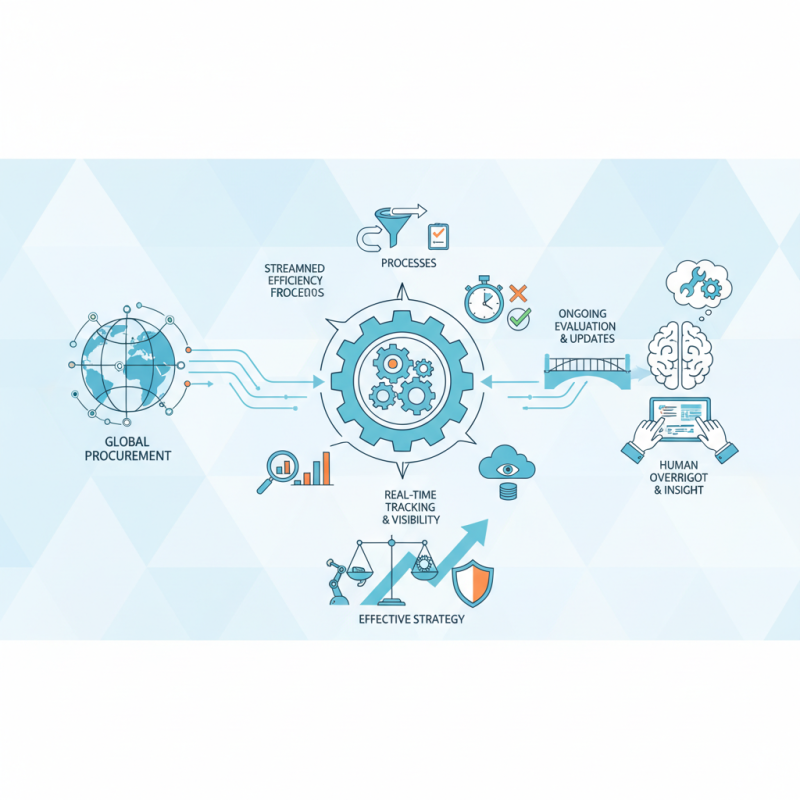
Technical automation can vastly improve procurement transparency. Automated systems allow teams to track spending and supplier performance in real time. This visibility helps identify inefficiencies. Companies can then take informed actions based on accurate data. Yet, it's important to remember that technical automation requires ongoing evaluation and updates.
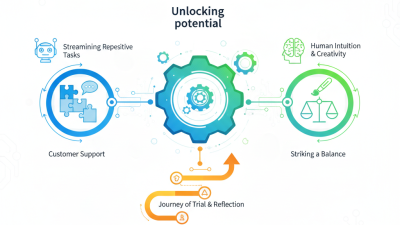
Many companies fall into the trap of over-reliance on these systems. While automation brings many benefits, human oversight remains essential. Teams must regularly review automated processes and adjust as necessary. Balancing automation with human insight will ultimately lead to a more effective global procurement strategy.
Understanding the Role of Technical Automation in Global Procurement
Technical automation plays a crucial role in global procurement. It streamlines processes, allowing teams to focus on strategic initiatives. Automated systems handle repetitive tasks, such as order processing and inventory management. This efficiency reduces errors and increases speed. However, many organizations still face challenges in fully adopting these technologies.
Understanding the nuances of automation is essential. A clear strategy is necessary for successful implementation. Teams must evaluate existing workflows before integrating new tools. In some cases, organizations struggle with change management. Training employees on new systems can be a hurdle. Proper training is vital to ensure that everyone adapts effectively.
Data security also remains a significant concern. Automated systems must comply with regulations to protect sensitive information. Companies should regularly review their processes to ensure compliance. The effective use of technology requires continuous improvement. Organizations must be willing to learn from setbacks and adjust their approaches. This reflection fosters a culture of innovation, ultimately enhancing procurement performance.
Identifying Key Areas for Automation in Procurement Processes
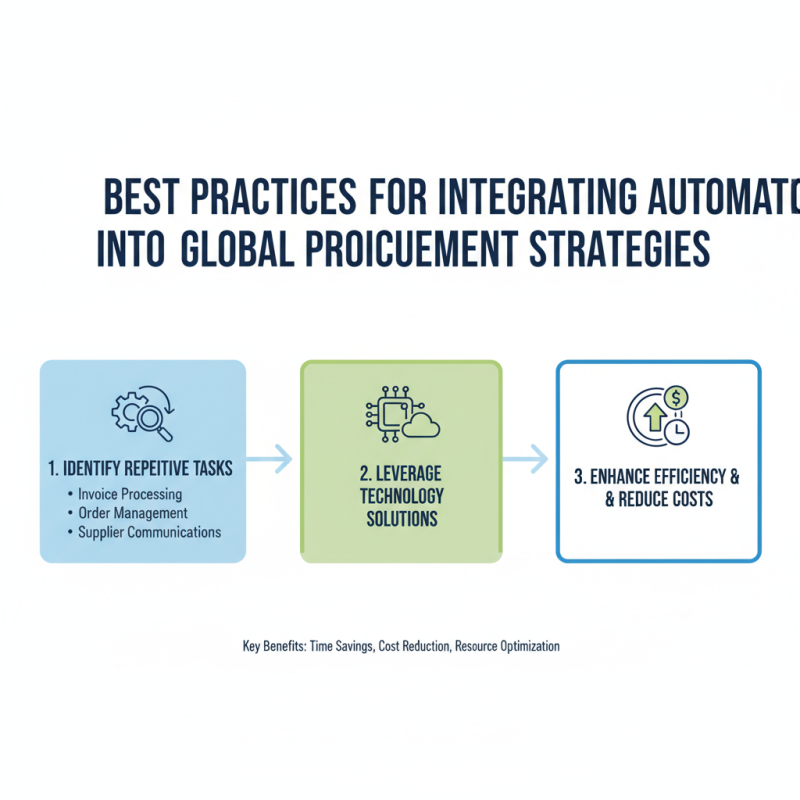
Identifying key areas for automation in procurement is crucial for improving efficiency. One major area is invoice processing. Automating this step reduces manual input errors and accelerates payments. Digital solutions can capture invoice data, enabling quick and accurate processing. However, dependence on technology raises concerns about system failures. Organizations should have backup plans.
Another area is supplier management. Automated systems can streamline onboarding and track supplier performance. Implementing such systems can foster better relationships and ensure compliance. Yet, the challenge lies in integrating these tools with existing processes. Companies must assess their current workflows before adopting new technologies.
Additionally, spend analysis benefits greatly from automation. Automated tools can analyze purchasing patterns and identify savings opportunities. This reduces time spent on manual reporting. Nevertheless, the accuracy of data sources remains a critical factor. Companies need to continuously evaluate their data integrity to avoid misguided decisions.
Implementing Advanced Technologies for Enhanced Procurement Efficiency
Advanced technologies are transforming global procurement processes. Automation tools can streamline operations, reduce costs, and enhance decision-making. Implementing machine learning algorithms improves supplier selection and risk assessment. Data analytics can forecast trends and optimize inventory levels.
Cloud-based solutions enable real-time communication among teams worldwide. This fosters collaboration and quick response to market changes. However, not all organizations fully utilize these tools. Lack of training often hinders the effective use of technology. It’s crucial to invest in employee education to maximize technology benefits.
Embracing automation can sometimes lead to over-reliance. Businesses may neglect human insights that remain invaluable. A balanced approach is essential. Invest in technology while maintaining human oversight. Thoughtful integration of advanced systems can refine procurement operations effectively.
How to Improve Technical Automation for Global Procurement? - Implementing Advanced Technologies for Enhanced Procurement Efficiency
| Technology |
Implementation Status |
Impact on Efficiency (%) |
Cost Savings ($) |
| Artificial Intelligence |
In Progress |
25% |
$200,000 |
| Blockchain |
Completed |
30% |
$350,000 |
| Robotic Process Automation |
In Progress |
20% |
$150,000 |
| Cloud Computing |
Completed |
15% |
$100,000 |
| Internet of Things (IoT) |
Planned |
10% |
$80,000 |
Measuring the Impact of Automation on Procurement Outcomes
Measuring the impact of automation on procurement outcomes is crucial for organizations looking to enhance efficiency. Automation can streamline invoice processing and order management, reducing manual errors. This leads to improved accuracy and faster turnaround times. Data from procurement metrics shows significant reductions in cycle times and cost savings. These are vital for organizations operating on a global scale.
However, challenges remain in effectively quantifying automation's benefits. Not every automation initiative yields immediate results. Organizations often face hurdles in integration and employee adaptation. It is essential to conduct regular assessments to understand the long-term effects on procurement performance. Stakeholder feedback can provide insights into areas needing improvement.
Moreover, the reliance on automated systems brings concerns about over-dependence. It is critical to maintain human oversight to address nuances that software may overlook. Procurement teams must analyze trends and adapt strategies accordingly. A balanced approach, combining automation with human intuition, can optimize procurement outcomes significantly.
Impact of Automation on Procurement Outcomes