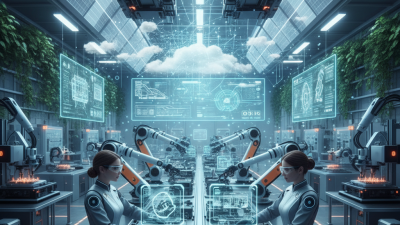
Is Full Automation the Future of China Best Manufacturing?
As China's manufacturing landscape evolves, full automation emerges as a pivotal theme. The sector is witnessing remarkable shifts due to advanced technologies. Industry reports indicate that the automation market in China is projected to reach $22 billion by 2025. This reflects a growing trend towards mechanization, aimed at enhancing productivity and efficiency.
However, implementing full automation poses challenges. Many manufacturers struggle with the initial investment costs. A McKinsey report revealed that only 30% of companies leverage automation effectively. There is also a skills gap, as workers may lack the training required to manage automated systems. This highlights the need for a balanced approach that incorporates human talent alongside machines.
In recent years, some factories have adopted full automation, where robots handle most tasks. While this leads to higher precision and speed, it raises concerns about job displacement. The debate continues: can full automation truly support sustainable growth in China? Addressing these complexities is essential for the future of manufacturing in the country.
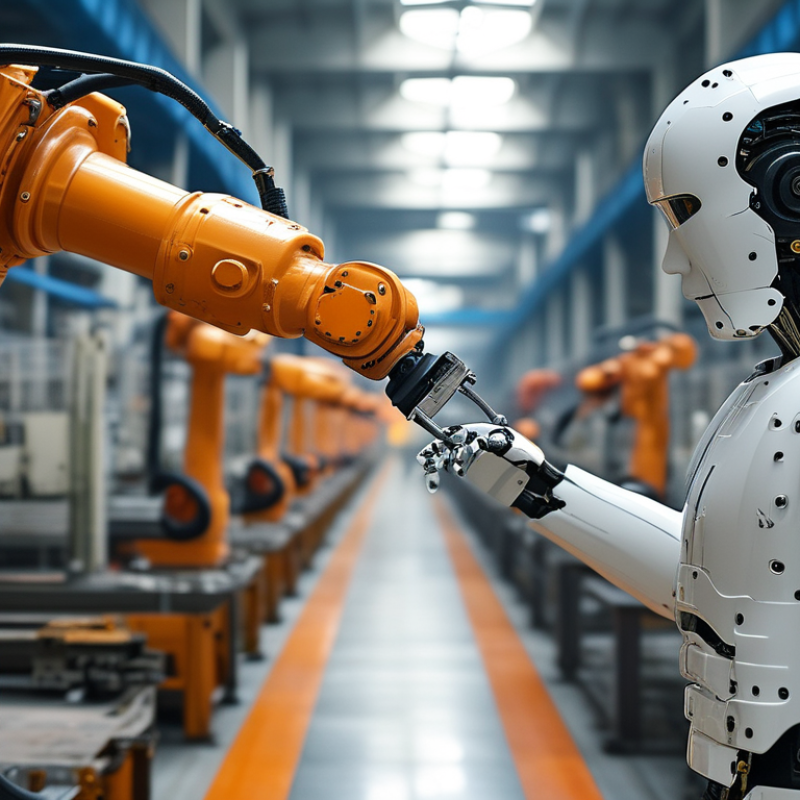
The Current State of China's Manufacturing Industry
China's manufacturing industry has undergone significant transformations in recent years. According to a report from the China National Bureau of Statistics, the sector contributed approximately 27% to the country's GDP in 2022. This rapid growth reflects China's status as a global manufacturing powerhouse, but challenges remain. Labor costs are rising, impacting profitability and driving manufacturers to seek efficiencies.
One solution being explored is automation. A recent industry analysis highlighted that nearly 65% of Chinese manufacturers are investing in automation technologies. This shift aims to reduce dependence on human labor and increase production speed. However, the transition isn't seamless. Many small to medium-sized enterprises struggle with the high initial costs of implementing advanced automation systems. As a result, only larger firms can fully benefit from these innovations.
Despite the potential of automation, there are critical reflections on its role in the future. While automation can enhance efficiency, it may also lead to workforce displacement. Reports suggest that around 14 million manufacturing jobs could be at risk by 2030 if companies fully automate. Balancing innovation and social implications remains a pressing concern for industry leaders. The future of China’s manufacturing sector lies in finding that equilibrium.
Key Technologies Driving Full Automation in Manufacturing
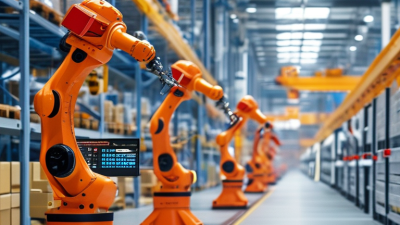
China's manufacturing sector is on the brink of a transformation driven by key technologies. Full automation is not just about speed; it's about precision and efficiency. Robotics is at the forefront, revolutionizing production lines across various industries. These machines can operate 24/7, enhancing productivity. However, their integration raises questions about employment and skill development.
Artificial intelligence plays a crucial role in this automation. It enables data-driven decision-making, forecasting maintenance needs before they arise. Yet, reliance on AI poses risks, such as technical failures or biases in algorithms. Manufacturers must ensure that their AI systems are transparent and accountable.
Another pivotal technology is the Internet of Things (IoT). IoT devices collect real-time data from machinery, allowing for seamless monitoring. This connectivity facilitates a shift towards smart manufacturing. However, cybersecurity remains a significant concern. Protecting sensitive information from breaches is vital. The pursuit of full automation may offer incredible opportunities for Chinese manufacturing, but it requires careful management of these emerging technologies.
Benefits and Challenges of Full Automation in Chinese Factories
Full automation is gaining traction in Chinese manufacturing. Factories increasingly rely on advanced robotics and AI systems. This shift promises enhanced productivity and efficiency. However, the integration of such technology comes with challenges that need consideration.
One significant benefit of full automation is reduced labor costs. Automated systems operate around the clock, leading to higher output. Additionally, precision in automated processes minimizes errors. Yet, there's a risk of workforce displacement. Workers may face job loss, leading to social concerns. These challenges call for careful planning and transition strategies.
Another point to consider is the initial investment required for automation. Companies must invest not just in technology but also in training their employees. Transitioning to automation could disrupt current workflows. Not all factories may adapt successfully right away. Some may struggle with maintenance and system failures. Reflection on these issues is crucial for long-term success in fully automated manufacturing.
Is Full Automation the Future of China's Best Manufacturing?
Case Studies: Successful Implementation of Automation in China
In recent years, China has become a leader in manufacturing automation. Case studies illustrate this shift in various sectors, showcasing innovative implementations. In the electronics industry, factories have adopted robotic arms for assembly. This approach has improved precision and reduced errors. However, it is not without challenges. Workers may feel displaced, prompting concerns over job security.
The automotive sector also provides a compelling example. Many manufacturers have integrated automated processes into production lines. This has led to faster output and enhanced safety. Still, challenges arise when balancing automation with skilled labor. Companies must find the right mix to maintain productivity without alienating employees.
Logistics plays a crucial role too. Automated guided vehicles (AGVs) are transforming warehouse operations. These vehicles streamline inventory management and reduce human error. Observing these advancements, some companies face difficulties in scaling. Not every organization can smoothly transition to a fully automated system, and many require time to adapt. The journey toward full automation is complex, with both benefits and setbacks.
Future Trends: The Role of AI and Robotics in China's Manufacturing Sector
China's manufacturing sector is undergoing a significant transformation.
AI and robotics play a crucial role in this evolution. Factories are now integrating smart machines to enhance productivity. These advanced systems can operate continuously, making production faster and more efficient. As a result, manufacturers can meet the growing global demand for products.
However, the journey toward full automation is not without its challenges. The reliance on AI may lead to job displacement for many workers. There is a constant need to balance technology with human skills. Some tasks require human creativity and problem-solving. Additionally, the initial investment in advanced technologies can be substantial. Many companies may struggle to find the right approach to automation.
Training and re-skilling workers is a significant aspect of this transition. Companies must adapt and prepare their workforce for new roles. This process can be slow and complicated. The impact of AI and robotics extends beyond production; it influences supply chain dynamics and customer interaction too. Effective implementation can lead to a more agile manufacturing environment, but careful planning is crucial. The path ahead is complex, demanding ongoing reflection and adjustment.