What is an Electrical Ring Main Unit How Does it Work?
The Electrical Ring Main Unit (RMU) plays a crucial role in modern electrical distribution systems. According to Dr. Emily Johnson, a leading expert in electrical engineering, "The effectiveness of an Electrical Ring Main Unit relies on its design and application." This highlights its importance in maintaining reliable power supply.
An Electrical Ring Main Unit enhances safety and efficiency in energy distribution. With a robust structure, it connects various substations, ensuring minimal power loss. Its ability to handle load variations makes it ideal for urban settings. However, issues can arise if not properly maintained. Regular inspection is vital to ensure optimal performance.
Despite its advantages, the Electrical Ring Main Unit may present some challenges. For instance, installation errors can lead to operational failures. Engineers often emphasize the need for training and awareness in handling such units. While the RMU offers many benefits, its complexities require careful consideration.
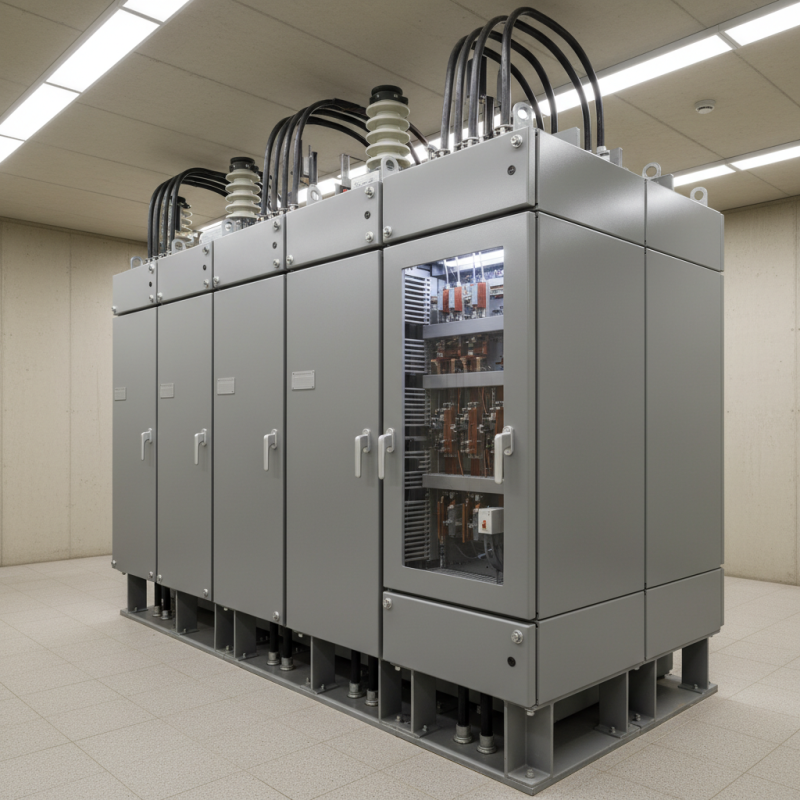
What is an Electrical Ring Main Unit?
An Electrical Ring Main Unit (RMU) is a vital component in modern power distribution. It serves as a switchgear that facilitates the connection between the electrical supply and the end-users. RMUs are typically used in medium voltage networks, allowing for the safe and efficient management of electricity flow. According to industry reports, over 80% of urban power distribution relies on RMUs due to their compact design and reliability.
In essence, an RMU consists of several key elements, including circuit breakers, busbars, and transformers. These components enable the unit to control, protect, and isolate sections of electrical networks. An estimated 60% of power outages in urban areas are related to failures in the distribution system. Using an RMU can mitigate these risks by providing quick fault isolation and reducing downtime. Despite their benefits, RMUs require regular maintenance to ensure operational efficiency and reliability.
Operational challenges do exist with RMUs. A significant percentage of users report difficulties in integrating RMUs with older infrastructure. This integration can lead to unexpected complications, such as compatibility issues and increased maintenance costs. A continuous investment in training for personnel is essential. Proper understanding and operation of RMUs significantly improve performance and reliability in power distribution systems.
How Does a Ring Main Unit Operate?
A ring main unit (RMU) is essential in electrical distribution systems. It connects the incoming supply to various outgoing circuits. Understanding its operation helps in grasping how it enhances electrical reliability.
An RMU works by providing an integrated switching solution. It features various components like circuit breakers, transformers, and busbars. When power flows through, the RMU monitors load levels. It ensures that each outgoing circuit receives adequate power. If a fault occurs, the RMU can isolate the affected section. This minimizes downtime and protects equipment.
Regular maintenance is crucial in maintaining its efficiency. Technicians should inspect components for wear and tear. They should also test electrical connections. With time, an RMU may require updates or replacements. Observing its operation can reveal how it adapts to changing load conditions. However, reliance on technology brings challenges, too. Understanding these intricacies can lead to better performance and reliability.
Benefits of Using a Ring Main Unit in Electrical Systems
A Ring Main Unit (RMU) is a crucial component in electrical distribution systems. It enhances reliability, operational efficiency, and safety. The main benefit of using an RMU is its ability to provide multiple supply points from a single transformer. This configuration reduces the risk of outages and allows for maintenance without disrupting the overall power supply.
According to industry reports, approximately 30% of electrical failures can be attributed to poor network configuration. Implementing RMUs can dramatically decrease these failures. Additionally, RMUs allow for better load distribution. This leads to less stress on individual components and extends the lifespan of the electrical system. They are also designed with protective features, enhancing safety for both operators and equipment.
Tip: Regular maintenance of RMUs is essential. Neglecting routine checks can lead to unexpected failures and costly downtime.
The RMU's compact design saves space, which is a significant advantage in urban areas where land is limited. This space-saving feature supports scalability in electrical networks. Nonetheless, the initial investment can be substantial. Organizations must weigh the long-term savings against upfront costs. This consideration is crucial to ensure a thorough evaluation of system needs and future growth potential.
Tip: Conduct a cost-benefit analysis before implementing an RMU. Understanding your specific power distribution needs is key.
Benefits of Using a Ring Main Unit in Electrical Systems
Common Applications and Industries for Ring Main Units
Ring Main Units (RMUs) are essential in electrical distribution systems. They serve as critical components in various industries. Common applications include power generation, renewable energy, and industrial settings. For instance, RMUs are frequently used in substations to connect and protect distribution networks.
In the renewable energy sector, RMUs play a vital role. As reported by the International Renewable Energy Agency, investments in renewable sources reached $300 billion in 2021. This growth drives the demand for efficient power distribution infrastructure. RMUs are crucial for managing and distributing electricity generated from wind and solar farms. Their ability to ensure timely energy distribution makes them indispensable in today's energy landscape.
Industries such as manufacturing and construction also rely heavily on RMUs. They help in maintaining a reliable power supply essential for operations. According to Market Research Future, the global RMU market is expected to grow at a compound annual growth rate of 7% between 2020 and 2026. Such data emphasizes the importance of RMUs in maintaining efficient power distribution in demanding environments. However, challenges persist in their installation and maintenance, prompting the need for continuous improvements and innovations in design and technology.
What is an Electrical Ring Main Unit How Does it Work? - Common Applications and Industries for Ring Main Units
| Dimension | Description | Applications |
| Voltage Rating | Typically 11kV or 33kV | Urban electrical distribution |
| Structure | Compact and modular design | Commercial and industrial applications |
| Protection Features | Includes fuses and circuit breakers | Power supply reliability |
| Common Industries | Utilities, manufacturing, and construction | Used in substations and power stations |
| Advantages | Increased safety and reduced electrical faults | Enhances overall power distribution network |