How to Choose the Right Isolation Switch for Your Needs?
In the realm of electrical safety, choosing the right Isolation Switch is crucial. According to Mark Thompson, an expert in circuit protection, "The right isolation switch prevents dangerous faults and ensures equipment reliability." This highlights the importance of making an informed choice.
Isolation switches come in various types and specifications. It is essential to understand your specific needs before purchasing. Factors like voltage rating and application type must be considered carefully. Ignoring these details can lead to costly mistakes.
Moreover, many users underestimate the significance of proper installation. A poorly installed isolation switch can compromise safety. It's more than just a simple part; it plays a key role in protecting equipment and personnel. Reflecting on your choices can prevent future issues. In the end, a thoughtful decision about your isolation switch can safeguard your work environment.
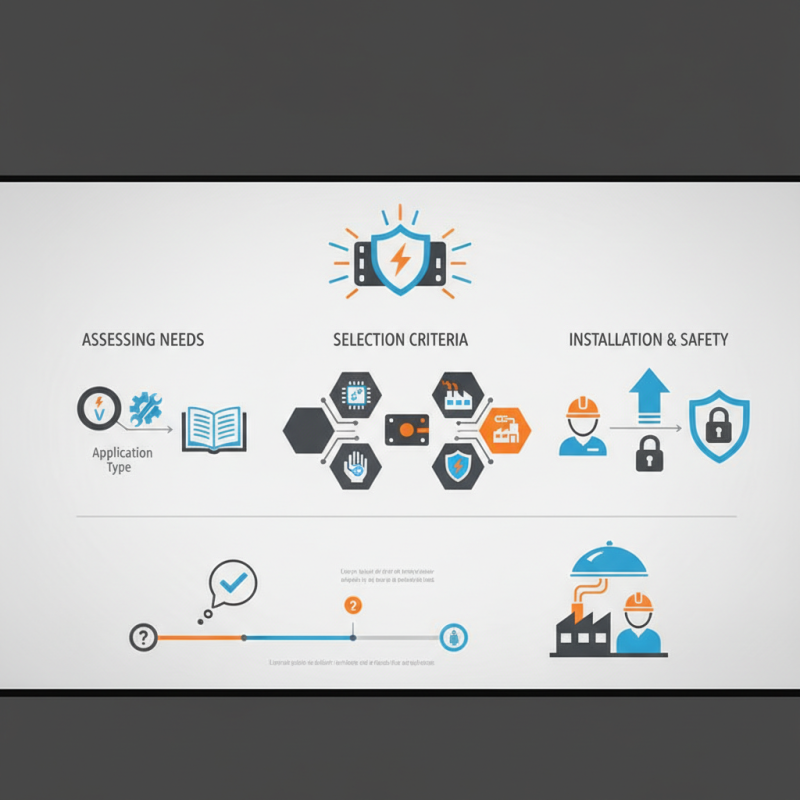
Understanding the Purpose of Isolation Switches in Electrical Systems
Isolation switches are crucial in electrical systems. They help ensure safety during maintenance, allowing equipment to be serviced without risk. According to a recent industry report, proper isolation switches can reduce electrical accidents by up to 30%. This highlights their importance and effectiveness in preventing hazards.
The design of isolation switches varies based on application needs. For example, some are meant for high-voltage systems, while others suit low-voltage environments. Choosing the wrong type can lead to serious implications, such as equipment damage or personal injury. An estimated 20% of maintenance-related incidents occur due to inadequate isolation practices.
It's essential to understand the specific purpose of an isolation switch. They can prevent electric shocks during unexpected power restorations. A well-placed isolation switch allows for safe and efficient workflows. Yet, users sometimes overlook the need for regular inspections and testing. Neglecting this can create vulnerabilities in a system that is otherwise robust.
Identifying Your Electrical Needs and Application Requirements
When choosing the right isolation switch, it's crucial to identify your specific electrical needs. Think about the voltage requirements. Is your application low voltage or high voltage? This distinction can change your options significantly. You’ll also want to consider the load capacity. Assess the maximum current the switch will need to handle. This will help you avoid potential failures or inefficiencies down the line.
Next, evaluate the environment where the switch will be installed. Is it indoors or outdoors? Different materials are better suited for various conditions. Humidity, dust, and extreme temperatures can all affect performance. You might even overlook this aspect, but it is essential. Also, think about how frequently the switch will be used. High-frequency operations may require a different type of mechanism. Reflect on the long-term needs as well as immediate applications. The right switch should not only fit your current requirements but also adapt to future changes.
Evaluating Different Types of Isolation Switches and Their Features
Isolation switches are crucial for safely disconnecting electrical circuits. Different types are available, each tailored for specific needs. The common types include rotary switches, knife switches, and modular switches. According to a recent market report, the global isolation switch market is anticipated to grow at a CAGR of 5.4% from 2023 to 2030. This indicates a rising demand for customized isolation solutions.
Rotary switches are versatile and often used in residential applications. They provide a simple on-off mechanism. Knife switches, meanwhile, are favored in industrial settings for their robustness. They can handle high current loads, more than 100 A in some cases. However, they require regular maintenance and can be cumbersome in tight spaces. Modular switches offer the advantage of flexibility. They can be integrated into various systems but may not always provide the same level of durability.
Choosing the right switch depends on understanding individual requirements. Consider voltage ratings, current capacity, and environmental conditions. A mismatch can lead to failures or hazards. It's essential to evaluate the specific features of each type. Users often overlook factors like accessibility and maintenance ease. This oversight can lead to costly errors down the line.
How to Choose the Right Isolation Switch for Your Needs?
| Type of Isolation Switch | Rated Voltage (V) | Current Rating (A) | Application | Key Features |
| Rotary Isolation Switch | 230 | 32 | Industrial Equipment | Manual operation, compact design |
| Fuse Isolation Switch | 400 | 125 | Power Distribution | Integrated fuses, high breaking capacity |
| Double-throw Isolation Switch | 600 | 80 | Renewable Energy Systems | Flexible switching, robust construction |
| Motorized Isolation Switch | 1000 | 250 | Automation and Control Systems | Remote operation, feedback capabilities |
Assessing Safety Standards and Compliance for Isolation Switches
When selecting an isolation switch, safety standards and compliance are essential factors. Understanding these standards is vital for ensuring reliable performance. Different regions have specific regulations that govern the design and use of isolation switches. For instance, IEC standards in Europe and UL standards in the United States can guide manufacturers and users alike.
It’s important to assess whether the isolation switch meets the necessary safety certifications. Failure to do so can lead to electrical hazards or system failures. Some users might overlook the significance of these certifications, focusing only on cost or availability. However, these details are crucial for long-term safety and functionality.
Moreover, auditors and safety inspectors often evaluate compliance during inspections. Overlooking these aspects can result in non-compliance penalties. Consider if your isolation switch was truly compliant when it was purchased. Rushing the selection process may lead to regrets later.
Always reflect on the balance between cost, safety, and compliance. Your choice should prioritize safety to ensure operational reliability.
Considering Installation and Maintenance Factors for Isolation Switches
When selecting an isolation switch, installation and maintenance factors are crucial. Consider where you will install the switch. Accessibility is key. A difficult-to-reach location can complicate maintenance. Electrical panels often have tight spaces. Ensure the switch is easy to access for regular inspections.
Maintenance routines vary by usage. Frequent checks can prevent faults. Note any irregularities, like unusual sounds from the switch. If your environment is dusty or wet, increased maintenance is necessary. Cleaning and monitoring for corrosion should be routine. This step can extend the switch's lifespan significantly.
Be cautious about the type of isolation switch you choose. Different designs serve varied purposes. Not every switch is suited for every application. Some may be durable but not rated for frequent use. Others might fail under specific conditions. Understanding these nuances is vital. Consider both short and long-term needs carefully.