How to Choose the Best Swamp Excavator for Your Needs?
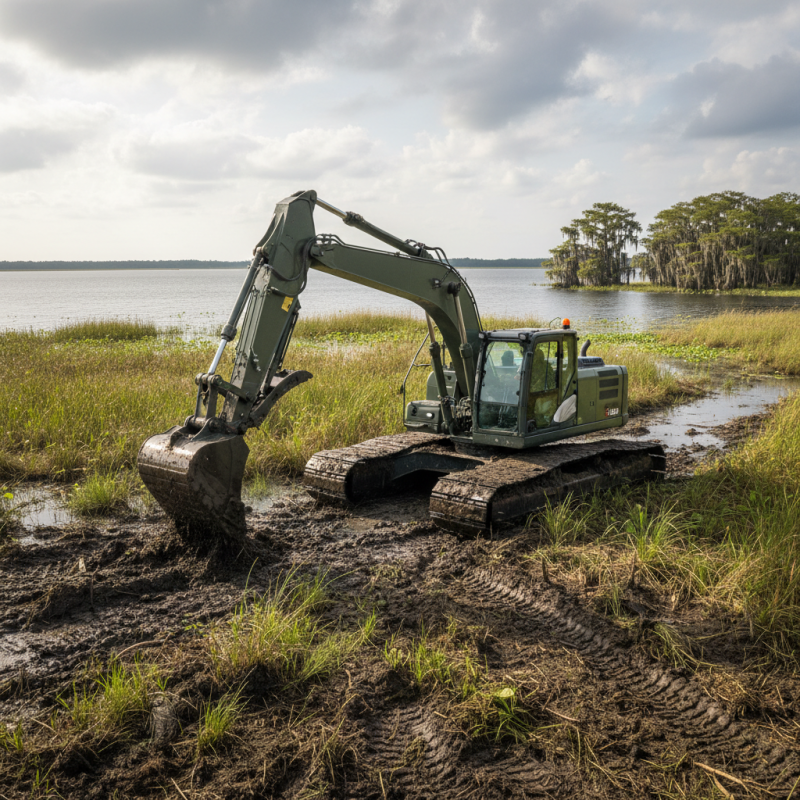
Choosing the right Swamp Excavator is crucial for any project involving wetland environments. The task may seem straightforward, but there are many factors to consider. Each project is unique, and the type of swamp excavator required can vary greatly.
When selecting a swamp excavator, assess your specific needs. Factors such as terrain type, soil condition, and project size play vital roles. Different models excel in different conditions. It’s important to have a clear understanding of your requirements.
Not all swamp excavators are built the same. Some offer enhanced maneuverability in soft, muddy areas, while others are designed for heavier loads. Take the time to evaluate the specifications of various models. Keep in mind that what works for one might not suit another. Make informed decisions to avoid costly mistakes.
Factors to Consider When Selecting a Swamp Excavator
Choosing the right swamp excavator involves considering multiple factors. Operators must assess the machine's weight and stability. A heavier excavator tends to perform better in swampy conditions. According to a report from the Association of Equipment Manufacturers, nearly 70% of accidents in swampy areas relate to instability. Weight distribution is crucial for safety and efficiency.
Engine power is another key aspect. An excavator with higher horsepower can handle denser vegetation and tougher terrain. Studies show that models with at least 100 horsepower are more effective in marsh environments. However, more power also means higher fuel consumption, which can increase operating costs.
Track design is worth noting. Wide tracks provide better flotation, reducing the risk of sinking. Manufacturers indicate that excavators with at least 24-inch wide tracks perform significantly better in soft ground. Operators should also reflect on maintenance needs. Regular checks can prevent costly repairs later. A well-maintained machine lasts longer, but it requires discipline and commitment to upkeep.
Understanding Different Types of Swamp Excavators Available
When selecting a swamp excavator, understanding the various types is crucial. Swamp excavators vary significantly in design and function. Some are equipped with specialized floating tracks to navigate through marshy terrain. Others have extended arms for deeper digging. Each type addresses specific needs depending on the job's requirements.
Dragline excavators are used for large-scale projects, providing impressive reach. They excel in dredging and handling heavy materials. On the other hand, swamp buggy excavators feature low ground pressure designs. This allows them to maneuver in soft, unstable soil. Their versatility makes them ideal for smaller tasks, such as landscaping or levee construction.
Choosing the right type of excavator isn’t always straightforward. Consider factors like weight, balance, and operational depth. Not all designs are perfect for every environment. Sometimes, users make mistakes in acknowledging the terrain's specific challenges. Reflecting on past experiences can guide future decisions. Therefore, it’s essential to assess both the capabilities and limitations of each excavator type carefully.
Assessing Your Project Requirements for Excavation
When selecting a swamp excavator, understanding your project requirements is crucial. Each excavation task varies in terms of terrain, depth, and the type of materials being excavated. For example, wetlands often contain soft, mucky soil. Therefore, an excavator with specialized tracks can improve stability and mobility. Assessing the specific conditions of your project site will inform your choice.
Consider the depth of the excavation needed. Shallow excavations may only require a basic model, while deeper projects may demand more robust equipment. Evaluate the environmental impact as well. Some areas may have regulations that restrict certain machinery. It’s essential to ensure compliance with local guidelines while meeting your project's needs.
Physical space is another factor. Your work zone might be limited. Compact models are easier to maneuver in tight spots. However, a larger excavator may complete the job faster. Think about the long-term usage too. Investing in versatile equipment may save costs on future projects. Ultimately, careful assessment will lead to a better-fit solution, even if it takes time to reflect on all these variables.
Evaluating Performance Features and Specifications
When choosing a swamp excavator, performance features are vital. These machines operate in challenging environments, so their specifications must be carefully evaluated. Look for models with adequate horsepower to handle tough terrain. A high torque rating is essential for optimal digging in muddy conditions.
The excavator's hydraulic system plays a significant role in its effectiveness. A robust hydraulic pump enhances lifting power and speed. Operators should consider the arm length and bucket capacity. Both factors determine how efficiently the machine can clear vegetation or drain water. Shorter arms might be more agile, while longer arms can reach farther.
Weight is another critical specification. A heavier excavator manages stability better on soft ground. However, excessive weight can hinder maneuverability. Users should reflect on their project needs to choose accordingly. Ultimately, understanding these performance features leads to smarter investments in swamp excavators. Balancing specifications with real-world application is key to making an informed decision.
Budgeting: Costs Associated with Owning a Swamp Excavator
When considering the costs associated with owning a swamp excavator, multiple factors come into play. Initial purchase prices vary widely, typically ranging from $100,000 to over $500,000, depending on size and capabilities. Regular maintenance fees can average around $5,000 annually. These costs often lead to unanticipated expenses, especially in challenging terrains found in wetlands.
Fuel efficiency is another critical consideration. Many swamp excavators consume significant amounts of diesel, averaging about 8-12 gallons per hour. This can quickly add up, especially in heavy-use scenarios. Additionally, operators should budget for insurance, which often represents another 2-5% of the equipment's value each year. Misjudging these expenses can lead to financial strain on projects.
Moreover, operators should remember that costs do not end with purchase. Training for operators on swamp environments is crucial. Many reports indicate that poorly trained operators can increase equipment wear. Investing in proper training can mitigate risks and reduce long-term operational costs. Overlooking these aspects can leave owners feeling overwhelmed and unprepared.