Skip to content

China Top Hb88509 Center Bearing Manufacturer?

China’s center-bearing market is expanding with vehicle production, aftermarket demand, and stricter driveline reliability requirements. The China Bearing Industry Association reports sustained growth in domestic bearing output and technical capability. Grand View Research also estimates continued expansion in the global automotive bearing market through 2030. These figures create opportunity, but they do not prove every supplier can produce a dependable Hb88509 Center Bearing.

A qualified manufacturer should show dimensional inspection records, material certificates, seal testing, and batch traceability. IATF 16949 systems are valuable for automotive applications. ISO 9001 certification supports process control, but certification alone is not enough. Buyers should check dynamic load ratings, grease compatibility, vibration results, rubber hardness, and shaft-fit tolerances. A small mismatch can create humming noise beneath a vehicle floor. It can also accelerate uneven wear.

Tedric A. Harris, a recognized rolling-bearing analyst and author, emphasized that bearing performance depends on load, lubrication, and operating conditions. That principle remains practical for the Hb88509 Center Bearing. Chinese suppliers with CNC machining, automated assembly, and end-of-line testing may offer strong value. Still, claims require evidence. Request samples, audit production records, and compare test methods before selecting a partner. Supplier pages often sound perfect. Real factories are not. Quality can vary between batches, and that deserves honest attention. This guide examines China’s leading Hb88509 Center Bearing manufacturers, their engineering strengths, verification practices, and suitability for different vehicle applications.
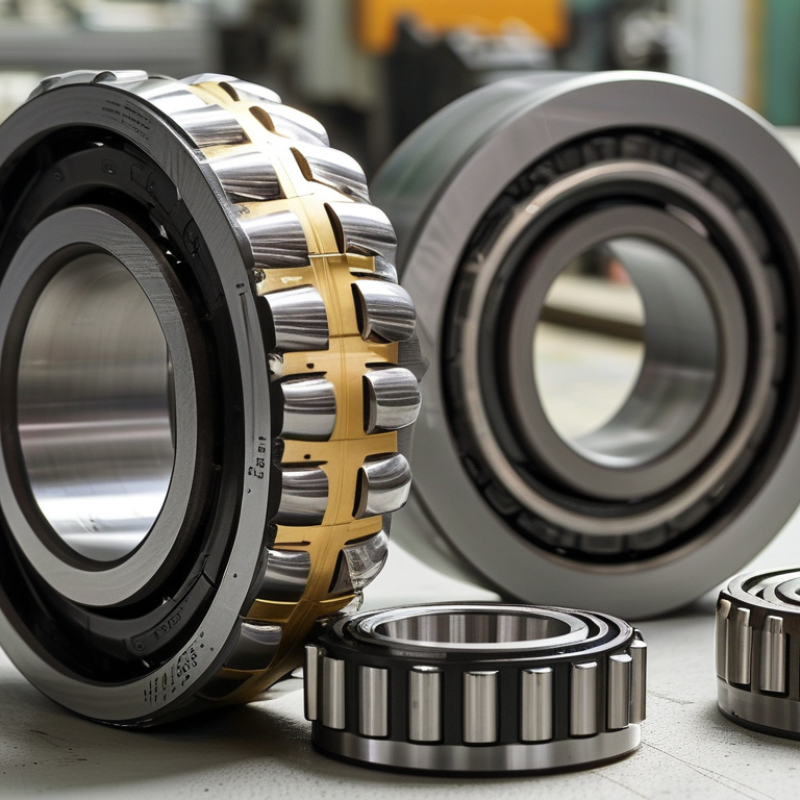
China Top Hb88509 Center Bearing Manufacturer?

HB88509 Center Bearing: Function, Structure, and Applications

HB88509 Center Bearing: Function, Structure, and Applications

The HB88509 center bearing supports a vehicle’s propeller shaft between two sections. It reduces shaft vibration, maintains alignment, and helps transmit torque smoothly. In practice, it works under heat, road shock, dust, and changing driveline angles. Small defects can become noticeable as humming, clunking, or floor vibration.

Its structure usually includes a deep-groove bearing, rubber insulator, inner sleeve, and metal support bracket. The rubber element absorbs movement while the bearing allows controlled rotation. Correct hardness matters. Excessively soft rubber may cause sagging, while hard rubber can transmit harsh vibration. Installation errors are common, especially incorrect preload or bracket alignment. These details deserve careful checking.

Automotive bearing demand reflects wider vehicle production. Fortune Business Insights valued the global automotive bearing market at about USD 39.74 billion in 2023. Its 2024 report forecasts approximately USD 58.66 billion by 2032, with a 4.9% compound annual growth rate. Research and Markets also identifies commercial vehicles and aftermarket repairs as important demand areas. Therefore, an HB88509 supplier should document load testing, dimensional inspection, seal performance, and rubber durability. A low price alone proves little. Field experience still exposes weaknesses that laboratory checks may miss.

Key Specifications for Evaluating an HB88509 Center Bearing

China Top HB88509 Center Bearing Manufacturer?

Key Specifications for Evaluating an HB88509 Center Bearing

Selecting an HB88509 center bearing requires more than checking the part number. Confirm the inner diameter, outer diameter, width, bolt spacing, and rubber support height against the original assembly. Many catalog listings show similar dimensions, but suffix changes can alter fitment. Measure twice.

Load capacity matters under real driving conditions. ISO 281:2007 uses the L10 rating life, meaning 90% of identical bearings should reach the calculated fatigue life. Compare dynamic load rating, static load rating, and calculated shaft speed. A bearing that fits physically may still fail under vibration, misalignment, or repeated shock loads. It happens.

Rubber hardness also deserves attention. Excessively soft rubber can increase driveshaft movement, while hard rubber may transmit more cabin vibration. Inspect the bearing seal, grease retention, corrosion protection, and mounting surface finish. ISO 15243 provides recognized damage classifications, including fatigue, contamination, and inadequate lubrication. Industry maintenance reports commonly identify contamination and misalignment as avoidable failure contributors. Check shaft runout before installation. It is often overlooked. A reliable manufacturer should provide dimensional drawings, material data, batch traceability, and test records, not only a compliance statement. I would also request temperature and endurance results, because advertised specifications can omit the weakest operating condition.

HB88509 Center Bearing: Key Dimensional Specifications

The chart presents the commonly specified bearing dimensions for an HB88509 center bearing: a 30 mm bore, 62 mm outside diameter, and 16 mm bearing width. These dimensions are useful for checking shaft compatibility, housing clearance, and replacement fitment. Always verify the vehicle or application drawing before installation.

China’s Manufacturing Standards for HB88509 Center Bearings

China’s manufacturing standards for HB88509 center bearings should begin with controlled dimensions, not marketing claims. GB/T 307.1 aligns with ISO 15 for boundary dimensions, while ISO 9001:2015 supports documented process control. For HB88509 production, inspectors should verify bore diameter, outside diameter, width, runout, hardness, and sealing fit. Each batch needs recorded results. Small deviations can create vibration under load.

Demand also raises the need for stable production. The China Association of Automobile Manufacturers reported 30.16 million vehicles produced in 2023. That scale requires repeatable bearing performance and traceable materials. Practical audits should review steel certificates, heat-treatment curves, grinding records, grease batches, and final noise testing. A center bearing may look acceptable on a bench, yet fail after heat, dust, and continuous vibration.

Certificates alone are not enough. They are evidence, not proof. One weakness is often overlooked: supplier inspection data may be complete but poorly connected to the actual bearing lot. Better factories use barcode traceability, calibrated gauges, and destructive sampling when risk increases. This is not perfect. Human checks can still miss early fatigue signs. Independent testing and field feedback remain necessary. Calibration matters. Even a precise gauge can mislead when its verification cycle is ignored.

How to Choose a Reliable HB88509 Center Bearing Manufacturer

Choosing a reliable HB88509 center bearing manufacturer requires more than comparing unit prices. MarketsandMarkets’ 2024 automotive bearings report estimates the sector could grow from about USD 39 billion in 2024 to more than USD 50 billion by 2029. That growth increases supplier competition, but not necessarily quality. Ask for material certificates, dimensional inspection records, and traceability from steel batch to finished bearing. The manufacturer should also explain rubber hardness, bearing clearance, dynamic load ratings, and operating temperature limits. ISO 281 provides a recognized method for calculating bearing rating life under load and speed conditions.

Request samples from the same production line, not specially prepared pieces. Measure the mounting bore and outer diameter with calibrated tools. Check rubber bonding around the bracket. Look for uneven molding, pinholes, or excessive grease leakage. A serious supplier should provide fatigue, vibration, corrosion, and endurance test results. IATF 16949 certification is useful for automotive production, but an audit still matters. Certificates alone cannot reveal weak process control. The 2024 World Quality Report highlights traceability and process data as major factors in dependable manufacturing. Ask how rejected parts are isolated and how corrective actions are verified. My practical concern is simple: some suppliers promise a long service life without sharing test duration or load conditions. That claim needs evidence. Production capacity, packaging quality, replacement support, and honest communication should influence the final decision. Price comes later.

China Top HB88509 Center Bearing Manufacturer? - How to Choose a Reliable HB88509 Center Bearing Manufacturer
Evaluation Dimension Technical Data or Requirement How to Verify It Recommended Acceptance Benchmark Suggested Weight
Part-number identification HB88509 is a part-number reference for a center support bearing assembly. The part number alone should not be treated as a complete dimensional specification. Request a dimensional drawing, application list, shaft configuration, and vehicle identification information. Compare the supplied data with the original service requirement. All critical dimensions and application references must be documented before quotation or sampling. 10%
Critical dimensions
  • Bearing inner diameter
  • Outer diameter
  • Overall bearing width
  • Mounting-hole spacing
  • Support-bracket height
  • Flange or shaft interface dimensions
Check the drawing with calibrated vernier calipers, micrometers, bore gauges, and a dedicated checking fixture where required. Every dimension must match the approved drawing tolerance. Do not accept a part based only on a visual similarity or part-number label. 15%
Bearing tolerance and running accuracy Radial bearing tolerances should be stated according to the applicable bearing standard. ISO 492 provides tolerance classifications for rolling bearings. Review the inspection report for bore, outside diameter, radial runout, and rotational smoothness. Confirm the stated tolerance class and measurement method. Inspection results must be traceable to calibrated equipment and remain within the approved drawing and tolerance class. 10%
Bearing internal construction Confirm bearing type, row arrangement, cage material, seal arrangement, internal clearance, and grease specification. Review the technical data sheet and, when necessary, conduct a sample teardown or laboratory inspection. The construction, seal arrangement, internal clearance, and lubricant must be consistent across the approved production sample and mass-production parts. 8%
Rubber support quality Important properties include rubber compound, hardness, bonding condition, resistance to cracking, and resistance to oil, ozone, and temperature exposure. Request rubber material information, hardness results, bonding inspection, and test data for heat aging and ozone resistance where applicable. Rubber hardness and material requirements must be defined on the approved specification. No visible cracks, separation, swelling, or incomplete bonding are acceptable. 12%
Dynamic balance and vibration control Center support bearing assemblies influence propeller-shaft alignment and vibration. Dynamic balance requirements depend on the shaft assembly and vehicle application. Ask for the balancing grade or maximum residual unbalance requirement, balancing speed, test method, and test records. The supplier must provide a written balance requirement and repeatable test records for each approved production configuration. 10%
Load and durability capability Evaluation should consider radial load, axial load, rotational speed, temperature, grease life, and expected operating cycle. Review engineering calculations, endurance-test conditions, test duration, failure criteria, and final inspection records. Test conditions must represent the intended service environment, and the report must identify sample quantity, test duration, and measured results. 12%
Material traceability Traceability should cover bearing steel, rubber compound, bracket material, seals, grease, and production batch. Check heat numbers, incoming inspection records, batch codes, production dates, and final inspection links. Each shipment should be traceable to a production batch and corresponding inspection documentation. 8%
Quality-management system A documented quality system should control design changes, nonconforming products, corrective actions, calibration, and process inspection. Review valid quality-system certificates, audit summaries, process-control plans, and corrective-action records. Certificates must be valid, applicable to the manufacturing site, and supported by actual process records. 7%
Sample consistency Production samples should match the approved sample in dimensions, materials, marking, packaging, and performance. Compare pre-production, pilot, and mass-production samples using the same inspection checklist. No uncontrolled change is acceptable. Any change to material, tooling, process, or design should require written approval. 5%
Inspection and documentation Required documents may include a dimensional report, material certificate, rubber test report, balance report, endurance report, and certificate of conformity. Check document revision, test date, batch number, inspector, equipment identification, and approval status. Documents must be complete, consistent with the shipped batch, and available in English or an agreed technical language. 6%
Packaging and storage Packaging should protect the bearing from moisture, contamination, impact, deformation, and long-term storage damage. Inspect internal protection, carton strength, batch labels, storage instructions, and transport test results where applicable. Parts must arrive clean, dry, undamaged, correctly identified, and suitable for the agreed storage period. 4%
Commercial and after-sales control Evaluate lead time, minimum order quantity, sample policy, warranty period, replacement procedure, and response time for quality claims. Request written commercial terms and review the supplier's documented complaint-handling process. Terms must be written clearly, including warranty scope, evidence requirements, corrective-action timing, and replacement responsibility. 3%
Final supplier decision Use a weighted score based on technical compliance, quality evidence, sample performance, traceability, and commercial reliability. Score each dimension from 0 to 100, multiply by the assigned weight, and retain all supporting documents. A supplier should not be approved if any safety-critical dimension fails, even when the total score is high. A practical approval target is at least 80/100 after all critical items pass. 100%

Quality Control, Customization, and Export Support in China

For buyers sourcing an Hb88509 center bearing in China, quality control starts with traceable production records. Experienced factories inspect steel hardness, sealing fit, shaft alignment, and rotational noise. Each batch should receive dimensional checks against approved drawings. Critical measurements need calibrated tools, not visual judgment alone. Sample testing is useful, but it cannot replace batch inspection. That distinction matters.

Customization may involve bore dimensions, mounting holes, rubber compounds, seal designs, or corrosion-resistant finishes. A capable engineering team reviews the vehicle application before changing a standard specification. It can compare load, speed, temperature, and vibration requirements. Small changes may affect balance or service life. Some projects reveal design assumptions that were too optimistic. That is where honest technical discussion helps. Trial samples should be tested under simulated operating conditions, with results recorded for review. Good suppliers accept revisions when evidence requires them.

Export support should continue after production approval. Reliable suppliers provide packing details, inspection reports, certificates, and clear shipment documents. Moisture-resistant packaging protects bearings during sea transport. Markings should match cartons, purchase orders, and customs paperwork. An export coordinator can manage port schedules and respond to technical questions quickly. Delays still happen. A missing document or unclear label can interrupt delivery. Regular updates, realistic lead times, and accessible engineering support reduce that risk. Buyers should request a control plan and agree on acceptance criteria before mass production.