Skip to content

China Best Custom Stainless Steel Coil Supplier?

Choosing the China best custom Stainless Steel Coil Supplier requires more than comparing prices. It demands careful evaluation of materials, processing ability, quality controls, and delivery performance. A reliable Custom Stainless Steel Coil supplier should understand your application, from food-processing equipment to architectural panels and precision components.

Experience matters here. Suppliers with established production records can usually explain how they manage thickness tolerances, coil width, edge conditions, and surface finishes. They should also provide clear information about grades such as 304, 316L, and 430. Mill test certificates, inspection reports, and heat-number traceability help buyers verify each shipment. Small details matter. A scratched surface can delay fabrication. Inconsistent hardness may affect forming.

The best supplier is not always the largest factory. It is the partner that responds accurately, identifies technical risks, and documents every important specification. Ask about slitting accuracy, protective film, packaging methods, and export experience. Request samples when the project involves strict tolerances or visible surfaces. A practical supplier will discuss limitations instead of promising everything immediately.

No supplier is perfect. Even a capable manufacturer may face production delays, raw material changes, or communication gaps. This is where transparent corrective action becomes important. Buyers should review quality systems, equipment, customer references, and after-sales support before signing an order. A thoughtful comparison can reduce waste, protect project schedules, and create a more dependable stainless steel coil supply chain. Reliable decisions come from evidence, not attractive claims.
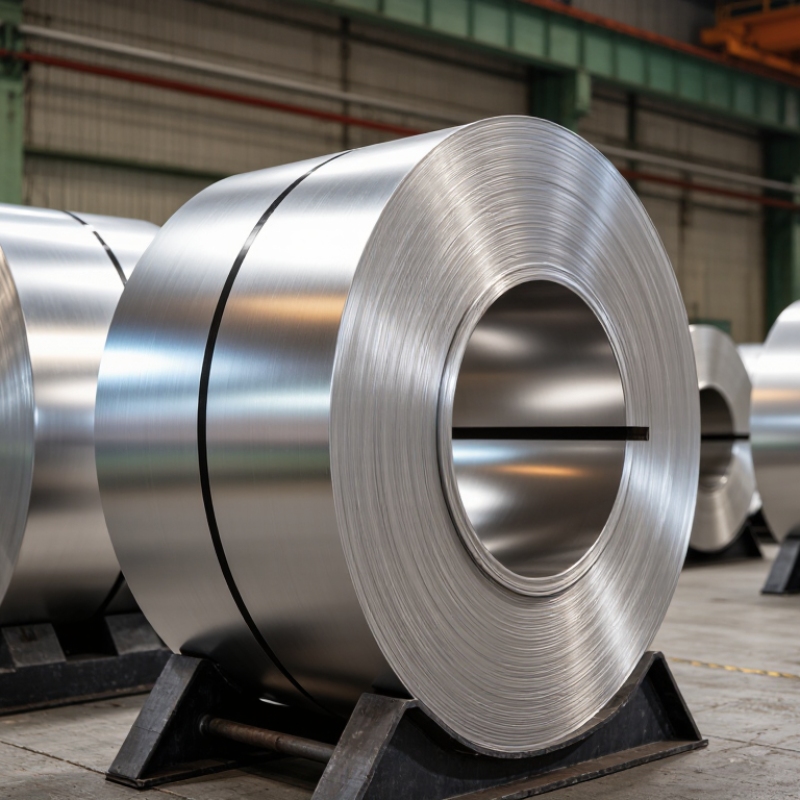
China Best Custom Stainless Steel Coil Supplier?

What Makes China a Leading Custom Stainless Steel Coil Supplier

China Best Custom Stainless Steel Coil Supplier?

What Makes China a Leading Custom Stainless Steel Coil Supplier

China has become a major source for custom stainless steel coils because production covers many specifications. Suppliers commonly handle grades such as 304, 316L, and ferritic stainless steel. They can adjust thickness, width, surface finish, edge condition, and coil weight for different applications.

Customization matters. In practical sourcing work, clear drawings and inspection standards reduce avoidable mistakes. Experienced mills use calibrated gauges, chemical analysis, tensile testing, and surface inspections during production. Many also provide heat numbers, inspection reports, and packing photographs for traceability. These records help buyers check each coil before shipment.

That said, no supplier gets every order right. A narrow tolerance may require extra rolling and slitting steps. This can affect delivery time and cost. Some buyers focus only on the lowest quotation, then discover problems with flatness or surface marks. That approach needs reconsideration. Reliable cooperation depends on technical communication, stable quality control, and honest production updates.

China’s supply network also supports flexible order volumes and export packaging. Suppliers can often coordinate wooden cases, moisture protection, labeling, and container loading.

Still, buyers should verify testing capability, production experience, and response speed before placing an order. Price is important. It is not the whole decision.

Key Services Offered by Custom Stainless Steel Coil Manufacturers

China Best Custom Stainless Steel Coil Supplier?

Key Services Offered by Custom Stainless Steel Coil Manufacturers

A capable custom stainless steel coil manufacturer begins with application review. Engineers discuss thickness, width, grade, temper, surface finish, and forming conditions. This prevents a standard coil from being forced into an unsuitable process. Details matter. Some projects need narrow slitting, while others require wider coils for deep drawing.

Custom processing may include precision slitting, cut-to-length preparation, edge conditioning, leveling, and surface polishing. Experienced technicians control burr height and coil tension during production. These details influence feeding stability on stamping or bending lines. Manufacturers can also provide trial coils, helping buyers test forming behavior before larger production runs.

Quality services should include chemical analysis, mechanical testing, dimensional inspection, and surface checks. Reliable suppliers maintain heat numbers and inspection records for traceability. They should explain tolerances clearly, not hide behind general quality claims. Packaging is equally practical, especially for long-distance transport. Moisture-resistant wrapping, protective edges, and secure steel supports reduce handling damage.

A responsive supplier also supports technical clarification after delivery. If a coil performs poorly, the cause may involve tooling, lubrication, or incorrect temper. Not every issue comes from the material. Honest review matters. I have found that small trial orders often reveal problems that polished specifications overlook. Clear communication, documented controls, and realistic lead times remain essential when selecting a custom stainless steel coil partner.

China Best Custom Stainless Steel Coil Supplier? - Key Services Offered by Custom Stainless Steel Coil Manufacturers
Service Category Typical Custom Options Relevant Technical Details Quality or Delivery Value
Material Selection 304, 316L, 321, 409, 430, and other commonly specified stainless steel grades Grade selection depends on corrosion exposure, temperature, forming requirements, magnetic properties, and end use. Helps match the coil with food-processing, chemical, architectural, automotive, heat-resistant, or general fabrication applications.
Thickness and Width Control Customized thickness, width, inner diameter, outer diameter, and coil weight Specifications are set according to the customer drawing, processing equipment, slitting plan, and downstream forming method. Reduces material waste and improves compatibility with stamping, roll forming, tube production, and fabrication lines.
Surface Finish 2B, BA, No. 1, No. 4, brushed, polished, embossed, or other agreed finishes 2B is a common cold-rolled finish; BA provides a brighter reflective appearance; No. 4 is commonly used for decorative and architectural products. Provides the required appearance, cleanability, reflectivity, and surface performance for the intended application.
Slitting Service Master coils converted into multiple narrow-width strips Slitting can be specified by strip width, quantity, edge condition, burr limitation, and recoiling requirements. Delivers production-ready strips for electrical components, precision parts, tubing, and narrow-profile manufacturing.
Edge Processing Mill edge, slit edge, deburred edge, or customized edge condition Edge requirements should identify acceptable burr height, edge sharpness, and dimensional tolerance. Improves operator safety and supports reliable feeding, bending, welding, and automated processing.
Cut-to-Length and Coil Preparation Cut sheets, protective packaging, coil compacting, labeling, and palletizing Packaging may include waterproof wrapping, anti-rust protection, steel strapping, and reinforced pallets where required. Supports easier storage, handling, inventory control, and direct use in fabrication facilities.
Mechanical Property Control Annealed, quarter-hard, half-hard, full-hard, or other agreed temper conditions Yield strength, tensile strength, elongation, and hardness are controlled according to the specified grade and product standard. Ensures the coil has suitable formability, springback behavior, strength, and resistance to deformation.
Dimensional Tolerances Customized tolerances for thickness, width, flatness, camber, and coil shape Tolerances should be agreed with reference to the applicable stainless steel product standard or approved technical specification. Improves consistency during high-speed production and reduces adjustment, rejection, and rework rates.
Testing and Inspection Visual inspection, dimensional inspection, chemical analysis, tensile testing, hardness testing, and surface inspection Inspection scope may include heat number traceability, mill test certificates, surface verification, and sampling plans. Provides documented evidence that the supplied coil conforms to the purchase specification and applicable standards.
Corrosion and Application Guidance Grade recommendations based on chloride exposure, moisture, chemicals, temperature, and cleaning conditions For example, 316L generally offers better resistance to chloride-containing environments than 304, while ferritic grades are often selected for specific cost and magnetic requirements. Reduces the risk of premature corrosion and helps optimize the balance between performance and material cost.
Documentation Support Mill test certificates, packing lists, commercial invoices, certificates of conformity, and inspection reports Documents can include grade, heat number, dimensions, quantity, mechanical results, chemical composition, and applicable standard. Supports incoming inspection, regulatory records, project approval, and full material traceability.
Order and Logistics Coordination Sample orders, repeat production, consolidated shipments, export packaging, and delivery scheduling Lead time depends on grade availability, custom dimensions, quantity, processing requirements, inspection scope, and destination. Improves supply planning and helps align production, shipping, and customer inventory requirements.

How to Select the Right Stainless Steel Coil Supplier in China

Choosing the Right Stainless Steel Coil Supplier in China

Selecting a custom stainless steel coil supplier requires more than comparing prices. Start with the material grade, thickness, width, surface finish, and edge condition. Ask for recent mill certificates and inspection records. These documents should match your purchase order. A reliable supplier can explain chemical composition, mechanical properties, and tolerance limits without vague answers. I once focused too heavily on low pricing and overlooked inconsistent coil flatness. That mistake caused extra leveling costs.

Request samples before placing a large order. Check the coil under real processing conditions, including stamping, bending, or slitting. Confirm whether the supplier controls production or only resells material. A factory visit, live video inspection, or third-party audit can reveal storage conditions and testing equipment. Also review traceability. Each coil should have clear heat numbers, labels, and packing details. Small details matter.

Tips: Compare at least three quotations, but compare identical specifications. Ask about minimum order quantities, production schedules, and replacement procedures. Confirm packaging for sea transport, especially waterproof paper, steel straps, and protected edges. Keep communication in writing. It reduces confusion. Do not rely only on polished certificates; verify sample performance and inspection methods. A supplier may appear professional, yet still lack stable quality control. Recheck everything before production starts.

Quality Standards for Custom Stainless Steel Coil Production

A reliable custom stainless steel coil supplier in China should treat quality standards as a production system, not a final inspection step. Each order needs a confirmed grade, thickness, width, temper, surface finish, and edge condition. Chemical composition should match the agreed specification through heat analysis and material certificates.

Small errors matter.

During production, operators should monitor rolling pressure, annealing temperature, and line speed. Thickness checks can be recorded at multiple points across the coil, not only at the head and tail. Surface inspection should identify scratches, pits, oxide marks, and uneven polishing under controlled lighting.

Mechanical testing may include tensile strength, elongation, hardness, and bend performance. Applicable ASTM, EN, or GB requirements should be stated clearly before production begins.

Traceability strengthens reliability. A practical record links the finished coil to its heat number, inspection results, processing date, and packing details. Before shipment, an independent or internal quality team should review dimensions, surface condition, packaging, and test documents.

Moisture-resistant wrapping and firm edge protection help prevent damage during transport.

In real production, no process is perfect. A supplier that reports a recurring waviness issue is more credible than one promising zero defects without evidence.

Quality teams should review complaints honestly and adjust tooling or inspection frequency. That reflection often improves the next coil.

Ordering Process for Custom Stainless Steel Coils from China

Ordering Process for Custom Stainless Steel Coils from China

A reliable order begins with a clear technical specification. State the stainless steel grade, coil width, thickness, surface finish, inner diameter, and maximum coil weight. Also describe the final application, such as stamping, slitting, or fabrication. A professional supplier should confirm tolerances, production capacity, packaging, and inspection methods before quoting. My first inquiry was too vague, and the quotation looked attractive but missed the required edge condition.

Request a material sample, recent test reports, and a mill certificate before placing a large order. Check whether the certificate matches the ordered grade and heat number. Confirm lead time in writing, including production, inspection, and export handling. Discuss payment terms carefully, but avoid choosing only by the lowest price. Small details often create expensive delays.

Tips: Send drawings in a readable format. Keep one approved sample. Ask for photos before shipment. Use a third-party inspection when tolerances are tight. Do not assume “polished” means the same finish everywhere.

Before final approval, review the purchase order line by line. Include quantity tolerance, coil direction, surface protection, labels, and packing requirements. Wooden cases, waterproof paper, and strong straps may be necessary for long-distance transport. A pre-shipment inspection can find scratches, wrong dimensions, or mixed materials. No process is perfect, though. Leave room for corrective action when actual production differs slightly from the original expectation.