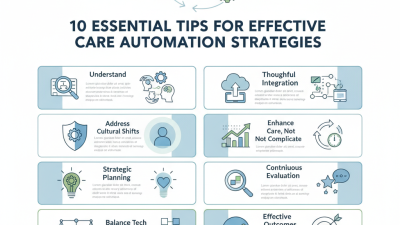
What is Care Automation and How Can It Benefit You?
In recent years, care automation has emerged as a transformative force in the healthcare industry. According to a report by Accenture, up to 30% of current healthcare tasks could be automated. This trend reflects a growing need for efficiency and improved patient outcomes. Care automation can streamline administrative processes, allowing healthcare professionals to focus on direct patient care.
Healthcare systems are increasingly turning to technology. The implementation of automated systems in nursing and diagnostics has been shown to enhance workflow and reduce human error. For instance, robotic process automation can handle scheduling and billing, which traditionally consume valuable staff time. However, caution is needed. The reliance on technology raises concerns about data privacy and the potential loss of personal touch in care.
The benefits of care automation are clear, but the challenges must also be acknowledged. As hospitals and clinics adopt these technologies, understanding their limitations and ensuring human oversight will be crucial. Balancing efficiency with empathetic patient interactions remains a key consideration as care automation continues to evolve.
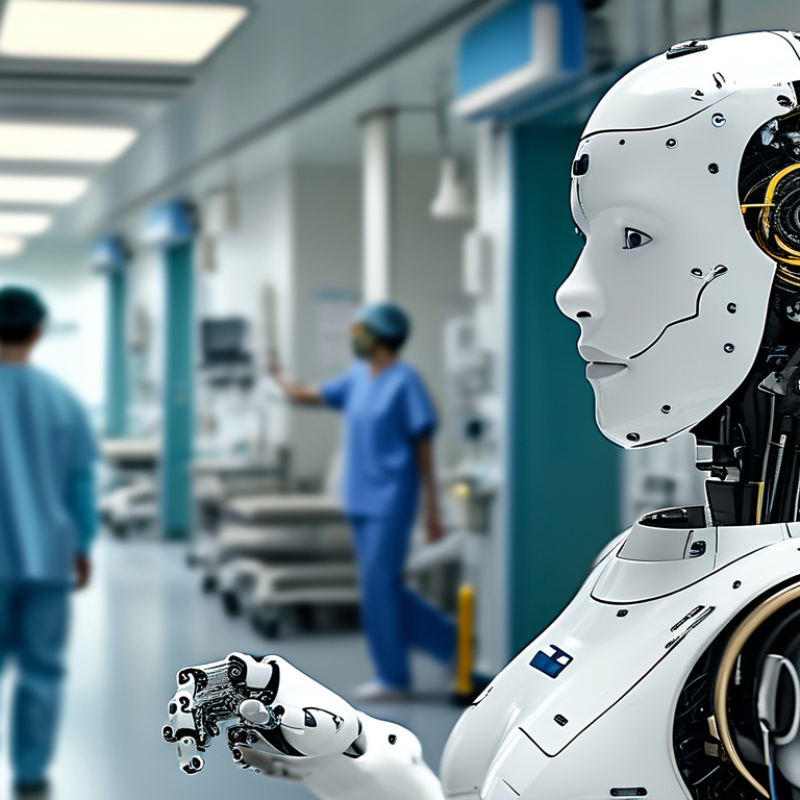
What is Care Automation? Definition and Key Concepts
Care automation is a transformative approach in healthcare, utilizing technology to enhance patient care delivery. It integrates tools that streamline processes, increase efficiencies, and improve patient outcomes. According to a recent report from the Healthcare Information and Management Systems Society (HIMSS), automation can reduce administrative burdens by up to 30%. This allows healthcare professionals to focus more on direct patient care.
Key concepts in care automation include patient data management, appointment scheduling, and medication reminders. These tools can help reduce human errors and promote adherence to treatment plans. Despite its benefits, many organizations struggle with implementation. A study from Accenture found that 46% of healthcare executives find it challenging to acquire the necessary skills for automation.
Tips:
- When considering automation, start small.
- Pilot programs can reveal what works best.
- Evaluate existing systems and identify areas for improvement.
- Encouraging staff engagement can also ease the transition.
- Regular training ensures everyone feels capable and informed as changes happen.
Prioritize patient satisfaction
, as automation should enhance the patient experience, not complicate it.
The Technology Behind Care Automation: Tools and Systems Explained
Care automation relies on advanced technology to streamline operations in healthcare. This sector primarily employs tools such as electronic health records (EHR) and telehealth systems. According to the 2022 Healthcare Technology Report, automated systems can reduce administrative workloads by up to 30%. This improvement allows healthcare providers to focus more on patient care rather than paperwork.
Effective care automation also enhances patient engagement. Tools like patient portals and automated communication systems foster better interaction. A survey from the Journal of Digital Health found that 75% of patients prefer digital communication over traditional methods. However, not every practice is well-equipped to implement this technology smoothly. Some struggle with integration and training, which can lead to frustration.
Tip: Start with small automation efforts. Evaluate how these affect staff efficiency before expanding.
It's crucial to remember that while technology can improve care, it is not infallible. Data breaches and patient privacy concerns often arise. A report from the Cybersecurity Health Alliance noted that nearly 50% of healthcare organizations faced cyberattacks in the past year.
Tip: Regularly update security measures. Conduct staff training on data protection protocols.
Key Benefits of Care Automation for Healthcare Providers and Patients
Care automation is transforming the healthcare landscape. For healthcare providers, automation streamlines administrative tasks. This allows more focus on patient care. With more time available, providers can enhance patient interactions and improve outcomes.
Patients also benefit significantly. Automated reminders for appointments and medication help reduce no-show rates. This ensures better adherence to treatment plans. Personalized care becomes possible through data analysis. Healthcare providers can tailor their approach based on individual needs.
However, challenges exist. The implementation of new technology can be daunting. Providers must ensure staff are trained adequately. Balancing automation with the human touch is crucial. Relying solely on technology may overlook important emotional connections. Continuous evaluation of systems is necessary to maintain quality care.
Industry Statistics: Impact of Care Automation on Efficiency and Outcomes
Care automation is transforming the healthcare sector. Industry statistics show a significant impact on efficiency and patient outcomes. Research indicates that automation can reduce administrative tasks by up to 30%. This frees up valuable time for healthcare professionals, allowing them to focus more on patient care.
Statistics reveal that organizations implementing care automation experience a marked increase in process efficiency. For instance, hospitals utilizing automated scheduling systems report a 40% decrease in appointment cancellations. This improvement not only optimizes resource allocation but also enhances patient satisfaction. However, challenges remain. Some healthcare providers struggle to adapt to new technologies. Resistance to change can hinder the anticipated benefits of automation.
Moreover, the integration of automation does not come without its flaws. Data security concerns and implementation costs may pose obstacles. It is essential for organizations to invest in training and safeguard systems. Learning from past implementations will contribute to a more effective rollout. The path to successful care automation requires ongoing reflection and adjustment. Adapting to these changes will ultimately lead to better healthcare outcomes.
What is Care Automation and How Can It Benefit You?
| Dimension |
Statistic |
Impact |
| Increased Efficiency |
30% Reduction in Administrative Tasks |
Allows more time for patient care |
| Error Reduction |
45% Fewer Medication Errors |
Enhances patient safety |
| Patient Satisfaction |
25% Increase in Patient Satisfaction Score |
Improves patient trust and loyalty |
| Cost Savings |
20% Reduction in Operational Costs |
Enables resource reallocation |
| Patient Outcomes |
15% Improvement in Health Outcomes |
Leads to better recovery rates |
Future Trends in Care Automation: What's Next for Healthcare Innovation?
The landscape of care automation is rapidly changing. Innovations in artificial intelligence and machine learning are transforming healthcare systems. Providers can now automate routine tasks like scheduling and patient follow-ups. This shift allows healthcare professionals to focus more on patient care. An emphasis on personalized care is emerging, powered by data analytics.
Future trends indicate increased integration of wearable technology. These devices can monitor patients in real time. Immediate alerts on critical health changes could save lives. Yet, reliance on technology raises questions about data privacy. Balancing efficiency with patient confidentiality will be crucial.
As automation improves, healthcare workers may face new challenges. Skill gaps might emerge, requiring further training. Additionally, human interaction remains vital in patient care. A purely automated approach risks alienating patients. Reflecting on these issues is essential for a smooth transition to a technology-driven future.