How to Build a Liquefaction Plant Efficiently in 2026?
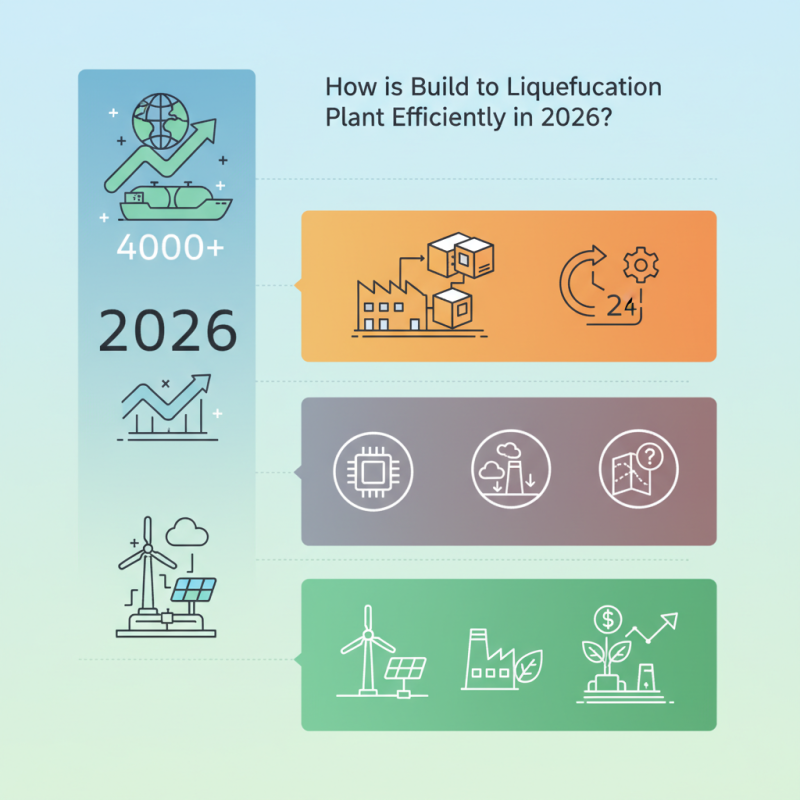
The global demand for natural gas is projected to surpass 4,000 billion cubic meters by 2026. This surge necessitates efficient energy solutions, particularly in liquid gas conversion. A Liquefaction Plant plays a pivotal role in transforming natural gas into liquid form for easier transport and storage.
Building a Liquefaction Plant efficiently requires careful planning and advanced technology. Recent studies indicate that plants adopting modular design can reduce construction time by up to 25%. However, challenges remain. Technological advancements may lag behind, affecting operational efficiency. Environmental considerations also pose possible delays, as regulations around emissions tighten globally.
Adding more complexity, each project may face unique geographic and logistical obstacles. For instance, site selection can significantly influence costs and timelines. Additionally, integrating renewable energy sources into the plant's operations is a growing expectation. Striving for innovation while addressing these multifaceted issues is crucial for the successful establishment of a Liquefaction Plant. The road ahead is fraught with challenges, yet it is paved with opportunities for growth and sustainability.
Understanding Liquefaction: Definitions and Importance in 2026
Liquefaction is a crucial process in the energy sector, especially in 2026. It involves converting gas into liquid, making it easier to store and transport. Understanding liquefaction helps in efficient plant designs and operational strategies. The growing demand for cleaner energy sources increases its importance.
Tips: Focus on the purity of the gas before liquefaction. This ensures high-quality output. Regular maintenance of equipment is essential. Neglect can lead to inefficiencies and increased costs.
The process requires specific conditions for optimal performance. Temperature and pressure play significant roles. Poorly managed conditions can lead to failures or lower yields. Engaging with skilled professionals during development is beneficial. They can provide insights and solutions. Avoid shortcuts in the design phase to prevent challenges later.
Tips: Invest time in simulation and modeling. This helps in visualizing potential issues. Team training is also vital. An informed team can address problems more swiftly.
Key Components of a Liquefaction Plant: Equipment and Technology
Building an efficient liquefaction plant in 2026 requires a solid understanding of its key components. Fundamental equipment includes compressors, heat exchangers, and storage tanks. Compressors transform gases into a liquid state through high pressure and cooling. According to industry reports, proper selection of compressors can enhance energy efficiency by 25%.
Heat exchangers are vital for temperature regulation. They increase efficiency by recovering energy. Advanced designs can reduce energy loss by up to 30%. Choosing the right technology is crucial. The latest innovations focus on sustainability, aiming to minimize emissions while maximizing output.
Tip: Regular maintenance of equipment minimizes downtime and maximizes production efficiency. The role of automation in monitoring performance cannot be overlooked.
Storage tanks need careful planning. They should maintain optimal pressure and temperature. However, they can be a challenge. Any small design flaw might lead to inefficiencies. Monitoring systems can help identify issues before they escalate.
Tip: Invest in robust data analytics tools. They can optimize operational insights and performance. Collaborative approaches during planning enhance overall plant efficiency. Adaptability is necessary since technology evolves rapidly.
Site Selection and Preparation for Optimal Liquefaction Efficiency
Site selection is critical for building an efficient liquefaction plant. Factors like proximity to natural gas sources and transport infrastructure play a vital role. A report from the International Gas Union suggests that 70% of liquefaction plant costs arise from site selection and preparation. Choosing a site near existing energy assets can significantly reduce costs. Optimal sites also minimize environmental impact, promoting sustainability.
Preparation involves thorough geological assessments.
Soil quality and seismic stability are key concerns. Data from the U.S. Geological Survey indicates that sites with unstable soil can lead to increased foundation costs by up to
30%. Utilizing advanced geotechnical techniques can help identify the best subsoil conditions. For instance, geophysical surveying can reveal critical information early in the process.
*Tips: Involve local experts early.* Good site preparation hinges on community knowledge. Evaluate multiple site options thoroughly to avoid costly mistakes. Effective communication with stakeholders is essential. Misunderstanding local regulations can lead to project delays.
Adapting to environmental concerns can also challenge timelines, requiring flexible planning.
Regulatory Considerations and Environmental Impact Assessments
Building a liquefaction plant requires a clear understanding of regulatory considerations. In 2026, plant developers must navigate complex local, national, and international regulations. Environmental impact assessments (EIAs) play a crucial role in ensuring compliance. According to the Global Liquefaction Report 2023, 45% of projects faced delays due to insufficient EIAs. Developers should prioritize thorough impact assessments during initial planning stages.
Tip: Engage with local authorities early. This can help identify potential regulatory hurdles before they become costly issues. Understanding local wildlife and aquatic ecosystems is essential during the EIA process. The World Bank emphasizes that effective engagement can lead to better project outcomes.
The environmental impact cannot be overlooked. A recent study indicated that liquefaction plants may increase greenhouse gas emissions by 12%. This statistic highlights the necessity of implementing carbon capture technologies. Reflecting on these challenges, it becomes clear that addressing environmental concerns is not just a legal obligation, but a moral one. Developers must consider the long-term implications of their projects on communities and ecosystems.
Tip: Regularly monitor and reassess environmental impacts throughout the project's lifecycle. This approach allows for adjustments to be made, ensuring that the project aligns better with sustainability goals. Understanding both regulatory frameworks and environmental impacts will lead to more efficient project execution.
Project Management Strategies for Timely Completion and Budget Control
Building a liquefaction plant in 2026 requires effective project management strategies. Clear timelines are crucial. Breaking down project phases helps in tracking progress. Teams must set realistic deadlines. Delays can lead to budget overruns. Regular meetings can keep everyone synchronized. Small issues should not be overlooked. An unresolved problem can snowball into large setbacks.
Budget control is equally important. Prioritizing costs can prevent waste. Every expense should be justified and monitored. Unexpected costs can arise, so contingency funds are needed. Communication with financial stakeholders is key. They should be informed about budget changes. Transparency fosters trust and support.
Project managers need to remain adaptable. Rigid plans can hinder progress. Flexibility allows teams to address challenges as they occur. Evaluating both successes and failures helps improve future projects. A reflection on what didn't work is as valuable as celebrating achievements. Balancing efficiency with thoroughness is a delicate task, requiring constant attention.