Top 10 Best Home Elevators for Every Budget?
Home Elevators have become increasingly popular for their convenience and accessibility. In today’s world, they offer a practical solution for multi-level homes. Whether you are considering a design for a new build or thinking of an upgrade, choosing the right home elevator matters.
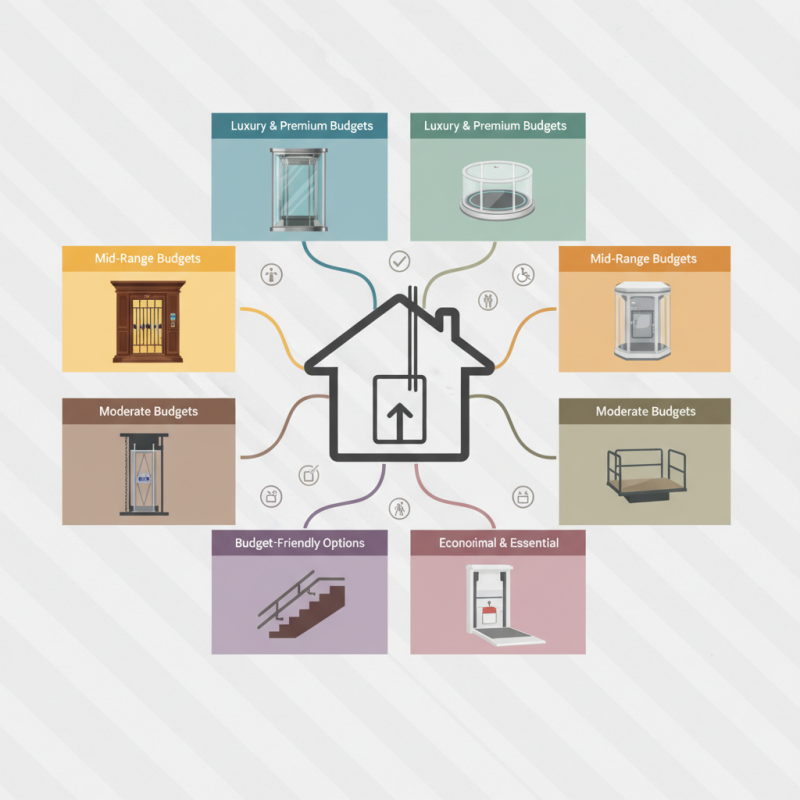
There are various options available that cater to different budgets. Some elevators feature sleek designs with modern technology, while others offer more basic functionality. This diversity allows homeowners to find a solution that fits their needs and style.
Considering an elevator can also spark reflections. What does convenience mean to your lifestyle? How can a home elevator change daily routines? Each choice comes with its challenges, and exploring various models helps in making an informed decision. Discovering the right fit involves a mix of practicality and personal taste.
Top Features to Consider When Choosing a Home Elevator
When considering a home elevator, several critical features come into play. Safety should always be a priority. According to the National Association of Elevator Contractors, around 30% of elevator accidents involve residential elevators. Look for models with redundant safety systems, emergency brakes, and phone access.
Space is also a key factor. Some elevators need a dedicated shaft. Others can be more compact, fitting into smaller areas. Measure your available space carefully before making a choice. A report by Grand View Research states that the global home elevator market size is expected to reach $2.4 billion by 2025. This reflects a growing interest in more versatile and stylish designs.
Tips: Consider energy efficiency. Some elevators consume less power and can lower your utility bills. Maintenance is another concern. Regular service is crucial to keep your elevator functioning smoothly. Neglect can lead to costly repairs or safety risks.
Evaluate your budget realistically. The cost of installation can vary widely, influenced by features and installation complexity. On average, the price ranges from $10,000 to $100,000. However, unexpected expenses can arise. Stay informed and plan accordingly to avoid surprises.
Budget-Friendly Home Elevators: Affordable Options for Every Homeowner
When considering home elevators, budget-friendly options are essential for many homeowners. The search can feel overwhelming. Each option varies in price and features. Some might prefer a compact design that fits small spaces. Others may seek more spacious models for family use. It's important to assess your needs carefully.
Affordable home elevators often come with basic functions. These might include simple controls and reliable movement. While they may lack advanced features, they often offer safety and functionality. Some models are designed for easy installation, further saving costs. However, remember that cheaper does not always mean better. Research reviews and compare features before deciding.
Don't forget about the long-term expenses. Maintenance costs can sneak up on you. It's crucial to think ahead about how often you will use the elevator. Consider functionality versus your budget. Finding the right balance can be more challenging than anticipated. A thoughtful approach can lead to a satisfying investment.
Luxury Home Elevators: Elevate Your Space with High-End Choices
When it comes to luxury home elevators, the options are abundant yet diverse. High-end models not only enhance your home's aesthetic but also improve accessibility. Imagine stepping into a sleek, glass-walled elevator that blends seamlessly with your modern decor. The gentle hum of the motor accompanies you as you ascend. Soft LED lights illuminate the interior, setting the scene for a fresh perspective on your space.
Choosing the right elevator can feel overwhelming. Some homeowners favor traditional wood finishes, while others opt for minimalistic metal designs. Each choice has its own charm but can clash with specific decor styles. It's essential to reflect on what matches your vision. What complements your home best? Consider size and layout too; an elevator should harmonize with your existing architecture. A cramped or poorly placed elevator can disrupt flow and functionality. Balancing luxury with practicality is key.
Mid-Range Home Elevators: Balancing Quality and Cost Effectively
Mid-range home elevators provide an effective balance between quality and cost. A recent industry report indicates that the average cost for a mid-range elevator is between $20,000 and $40,000. This price range often includes installation, maintenance, and warranty options. Many homeowners find this investment worthwhile for long-term convenience and reduced mobility issues.
Quality should not be compromised in this price range. These elevators typically feature durable materials, advanced safety systems, and energy-efficient designs. Homeowners appreciate the user-friendly controls and smooth operation. However, the larger upfront cost may pose a challenge for some. It’s important to consider ongoing maintenance costs as well. Regular inspections and servicing can help avoid larger expenses down the line.
In addition to cost, space limitations can affect choices. Many mid-range elevators require specific dimensions for installation, which is not always compatible with older homes. Potential buyers may overlook this crucial aspect, leading to costly modifications later. Opting for a mid-range solution can be practical, but assessing individual needs is essential. Decision-makers should weigh their preferences alongside the benefits of increased home value through such an upgrade.
Top 10 Mid-Range Home Elevators: Balancing Quality and Cost Effectively
Safety and Maintenance Tips for Home Elevators to Ensure Longevity
When considering home elevators, safety and maintenance are crucial. Regular inspections can help identify potential issues before they become serious. According to industry reports, about 10% of elevator accidents are linked to lack of maintenance. It is essential to follow recommended service schedules for optimal performance.
Tips: Check for unusual noises. Listen for grinding or squeaking sounds. These may indicate wear and tear. Always keep the elevator clean. Dust and debris can cause mechanical problems over time.
Safety features are non-negotiable. Many home elevators come equipped with emergency brakes and door sensors. Conduct regular checks to ensure they function correctly. An estimated 30% of home elevator malfunctions stem from faulty safety components. This statistic highlights the importance of routine assessments.
Tips: Test the emergency stop button monthly. Ensure it operates smoothly. Educate all household members on proper usage to prevent accidents. Regular cleaning of the elevator shaft can also improve airflow, preventing dust buildup.