Top 10 Benefits of Using Sheet Steel Coil for Manufacturers?
In the competitive landscape of manufacturing, the choice of materials can significantly impact productivity and quality. One standout option is Sheet Steel Coil. This versatile product offers numerous advantages that can enhance manufacturing processes. Its durability makes it suitable for a wide range of applications, from automotive to construction.
Using Sheet Steel Coil simplifies material handling and storage. Manufacturers can benefit from its ease of transportation and reduced waste. The coils can be easily unrolled and cut to desired lengths, making production more efficient. Furthermore, the consistency of the steel's thickness ensures high-quality outputs.
However, not all manufacturers fully realize the potential of Sheet Steel Coil. Some may overlook its cost-effectiveness, believing that alternatives could be cheaper. Yet, the long-term savings gained from durability and efficiency often outweigh initial costs. Emphasizing these benefits can guide manufacturers to make informed decisions that enhance their operations.
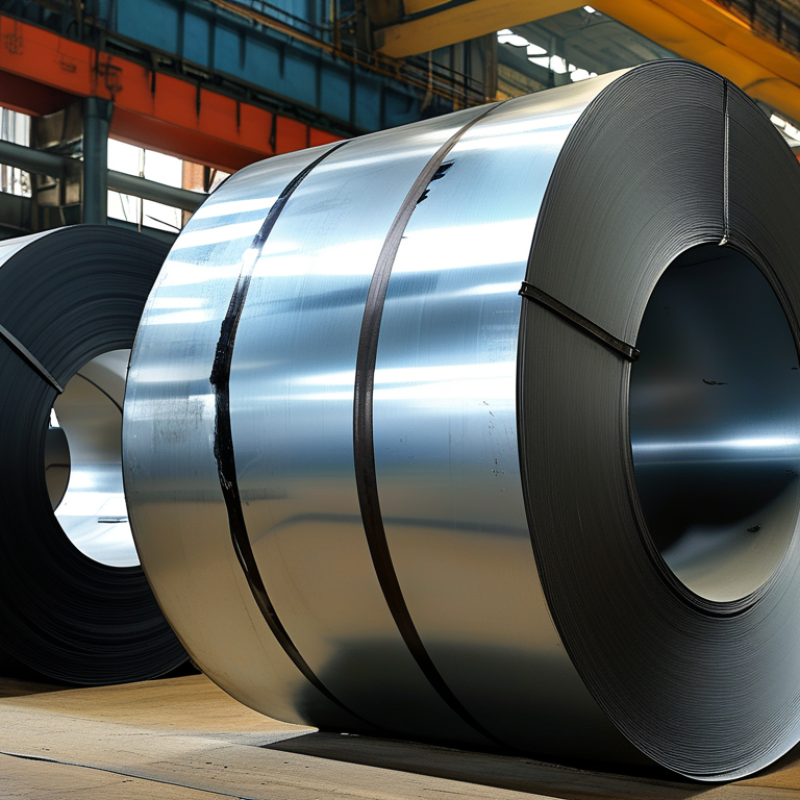
Benefits of Sheet Steel Coil in Manufacturing Efficiency
The use of sheet steel coil in manufacturing enhances efficiency in several significant ways. This material is known for its durability and malleability. Manufacturers can cut, shape, and form sheet steel into various components with ease. The thinner profile of coils allows for quicker processing on production lines. This can lead to time-saving during assembly.
Moreover, sheet steel coils promote uniformity in production. Consistent thickness ensures that each part fits perfect in its intended application. This predictability minimizes waste and reduces the need for rework. However, achieving this uniformity requires careful handling and meticulous quality checks.
The sustainability aspect cannot be overlooked. Sheet steel is recyclable, which aligns with eco-friendly practices. Yet, not all manufacturers implement recycling processes effectively. Some may face challenges in fully utilizing this aspect, highlighting the need for ongoing improvement in eco-conscious practices. While sheet steel coil offers several advantages, it's essential to remain vigilant about production methods and their environmental impacts.
Cost-Effectiveness of Sheet Steel Coil in Production Processes
Sheet steel coil offers significant advantages in manufacturing, particularly in terms of cost-effectiveness. Its lightweight and durable nature allows manufacturers to reduce material costs while maintaining structural integrity. The uniformity in thickness and quality helps streamline production processes, leading to more efficient operations.
Tips: Consider sourcing steel from reputable suppliers to ensure quality. A reliable supply chain minimizes disruptions, which can be costly.
Moreover, sheet steel coil can be easily shaped and formed. This versatility allows manufacturers to create complex designs without excessive waste. Additionally, the ability to recycle scrap steel contributes to sustainability and can further lower production costs.
Tips: Regularly assess the cutting and shaping methods in use. Optimizing these techniques can lead to additional savings.
While there are benefits, not all manufacturers may be familiar with the best practices for using sheet steel coils. Training and knowledge sharing within the team are essential. Understanding the nuances of handling and processing these materials can prevent costly mistakes and enhance efficiency.
Top 10 Benefits of Using Sheet Steel Coil for Manufacturers
| Benefit | Description | Impact on Production |
| Cost-Effectiveness | Lower raw material costs due to bulk purchasing. | Reduced overall production costs. |
| Versatility | Can be used in various applications across different industries. | Increased market opportunities. |
| Strength and Durability | High tensile strength and resistance to wear. | Longer product lifespan and reduced replacements. |
| Easy Fabrication | Can be easily cut, formed, and shaped. | Faster production times and flexibility. |
| Recyclability | 100% recyclable material promotes sustainability. | Enhances brand reputation with eco-friendly practices. |
| Weight Efficiency | Lightweight properties reduce shipping costs. | Lower logistics expenses. |
| Surface Finish Options | Available in various finishes to suit applications. | Improved product aesthetics and performance. |
| Corrosion Resistance | Special coatings to prevent rust and corrosion. | Decreased maintenance costs and product failures. |
| Consistency in Quality | Uniform thickness and composition across coils. | Improved production efficiency and product quality. |
| Innovation Potential | Easily integrates with modern manufacturing technologies. | Enhances competitive edge in the market. |
Versatility of Sheet Steel Coil in Various Applications
Sheet steel coil is an incredibly versatile material widely used across various industries. Manufacturers appreciate its adaptability for applications such as automotive parts, appliances, and construction materials. According to a recent report by the World Steel Association, nearly 50% of sheet steel production is for these key sectors. This highlights its critical role in the global supply chain.
The versatility of sheet steel coil comes from its ability to be easily processed. It can be cut, shaped, and coated to fit different industry needs. The automotive industry, for example, relies on sheet steel for vehicle frames and bodywork. In 2021, around 35% of all new cars featured components made from sheet steel. This not only demonstrates its structural integrity but also emphasizes the ongoing demand for customization.
However, challenges exist in sourcing high-quality sheet steel. Variations in thickness and alloy composition can affect performance. Manufacturers must constantly evaluate their suppliers to ensure reliability. Studies suggest that up to 10% of purchased materials may not meet specified standards. This reinforces the need for stringent quality control measures. As industries evolve, so too must the standards for sheet steel materials to maintain performance.
Improved Durability and Performance of Sheet Steel Coil Products
Sheet steel coil has gained popularity among manufacturers for its impressive durability and performance. This material is designed to withstand harsh conditions, making it ideal for various applications. Its strength ensures that products last longer, reducing the need for frequent replacements. This reliability translates directly into cost savings for manufacturers over time.
Moreover, the production process of sheet steel coil enhances its resilience. The precise techniques used improve the steel’s structural integrity. This quality is critical in industries such as construction and automotive, where safety is paramount. However, manufacturers must be cautious about sourcing practices. Not all suppliers meet the same quality standards, risking the final product's performance.
Utilizing sheet steel coil also provides design flexibility. Manufacturers can customize thickness and finish, catering to specific project needs. Yet, it’s crucial to evaluate each project for optimal use. Not every application will benefit equally from this material. Careful consideration is essential for maximizing the advantages of sheet steel coil while avoiding potential pitfalls.
Eco-Friendly Aspects of Using Sheet Steel Coil in Manufacturing
The use of sheet steel coil in manufacturing offers notable eco-friendly advantages. Steel is highly recyclable, and more than 80% of all steel is repurposed after its lifecycle. This statistic illustrates the sustainability embedded in steel production. When manufacturers choose sheet steel, they not only leverage durability but also contribute to a circular economy. A report by the World Steel Association highlights that using recycled steel can reduce CO2 emissions by 58%, making it a compelling choice for environmentally conscious production.
Choosing sheet steel coil also reduces material waste during manufacturing. Its precision and uniformity allow for efficient processing, resulting in less scrap. According to research by the Steel Recycling Institute, manufacturers can generate up to 70% less waste when using sheet steel versus alternative materials. Moreover, sheet steel’s lightweight characteristics lead to lower energy consumption during transportation. This shift could potentially save the industry millions in fuel costs annually.
However, there are challenges. While production efficiencies can be significant, not all manufacturers fully understand the benefits of switching to steel coil. Some might hesitate due to misinformation about costs or production methods. Additionally, the initial investment in new equipment may deter some businesses. Awareness and education in the sector will be critical for sweeping change. Embracing sheet steel as an eco-friendly material requires a commitment to learning and adapting, but the long-term gains are profound.